Understanding CNC Machining Parts Manufacturing
CNC (Computer Numerical Control) machining is a pivotal technology in modern manufacturing, allowing for precision and efficiency in producing parts across various industries. Since 2003, Honscn has established itself as a leading cnc machining parts manufacturer, focusing on high-quality, tailored solutions for client needs. This article explores the fundamentals of CNC machining, its applicable technologies, and the types of machined parts commonly produced.
What is CNC Machining?
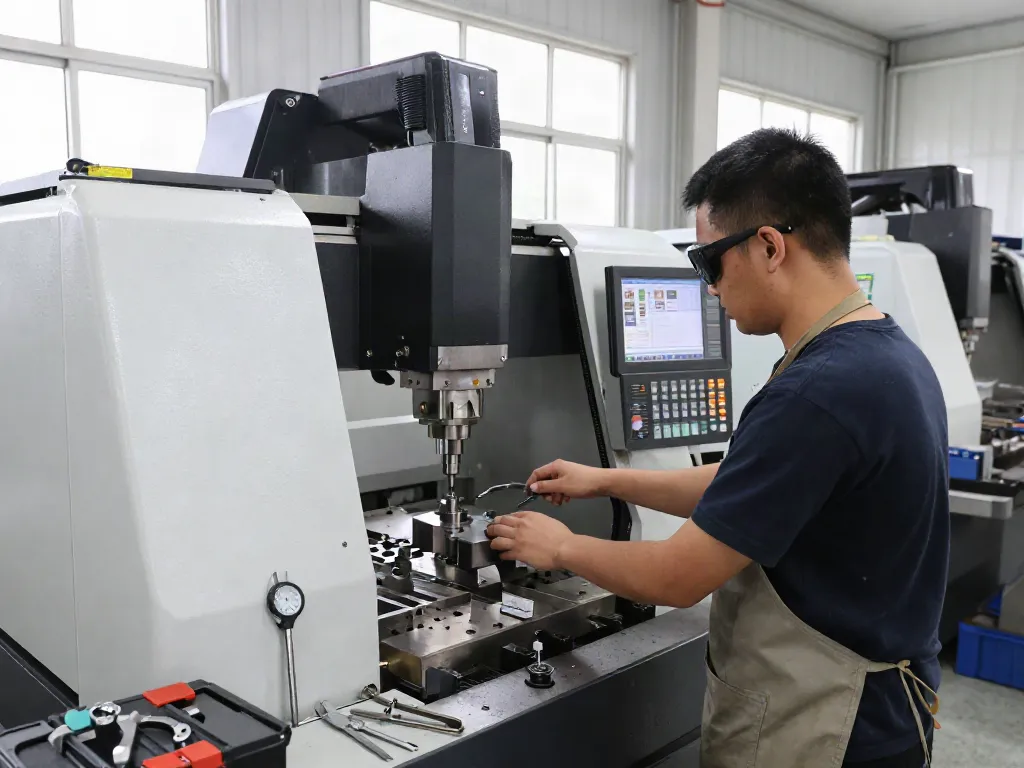
CNC machining is a subtractive manufacturing process that utilizes pre-programmed computer software to control the movement of machinery and tools. This technology enables the creation of complex shapes and sizes, ensuring consistent quality and precision. From aerospace to automotive and medical applications, CNC machining plays a critical role in producing parts that meet stringent industry standards.
Key Technologies in CNC Machining
- 3-Axis Machining: The most common form, where tools move along the X, Y, and Z axes.
- 5-Axis Machining: Offers increased flexibility and precision by allowing tools to move in multiple directions simultaneously.
- Turning: Uses a rotating workpiece while a stationary cutting tool shapes the material.
- Wire EDM: An advanced technique that utilizes electrical discharges to cut through materials, ideal for intricate designs.
Types of Machined Parts and Their Applications
CNC machining produces a variety of parts utilized in several applications:
- Aerospace Components: Lightweight and high-strength parts are essential for aircraft.
- Manufacturing Tools: Custom tooling is required for efficient production processes.
- Medical Devices: Precision parts are crucial for diagnostics and treatment equipment.
- Automotive Parts: From engine mounts to custom brackets, CNC machining provides accurate replacements.
Why Choose a Professional CNC Machining Parts Manufacturer?
Selecting a professional CNC machining parts manufacturer can significantly impact project outcomes, ensuring that parts meet required specifications and quality standards. Understanding these benefits can aid businesses in making informed decisions.
Benefits of High Precision Machining
High precision machining results in tighter tolerances and higher-quality products. This is crucial for applications where even minor deviations can lead to failures. A dependable manufacturer ensures that parts are manufactured to exact specifications, providing peace of mind during assembly and operation.
Quality Assurance Processes in Manufacturing
Reputable CNC machining companies implement rigorous quality assurance processes. This may include:
- Regular inspection and testing of materials.
- Use of advanced measurement tools like CMM (Coordinate Measuring Machines).
- Documentation of processes to ensure traceability and compliance with standards.
Cost Efficiency of Professional Services
While some may consider outsourcing CNC machining, it often proves more cost-effective when using professional services. Not only do these companies have access to advanced technologies, but they also reduce waste, minimize production times, and ultimately lower costs for their clients.
Common Challenges Faced by CNC Machining Parts Manufacturers
Like any industry, CNC machining parts manufacturing faces several challenges that can impact production and delivery timelines. Understanding these hurdles can help businesses better navigate them.
Meeting Tight Tolerances and Specifications
One of the most significant challenges in CNC machining is producing parts within specific tolerances. High-precision industries demand exacting standards; therefore, manufacturers must invest in quality tools and skilled personnel to meet these demands consistently.
Supply Chain Issues and Material Sourcing
Manufacturers often rely on a complex network of suppliers for raw materials. Disruptions in supply chains can lead to delays and increased costs. Developing strong relationships with reliable sources can help mitigate these risks.
Keeping Up with Technological Advances
The CNC industry is continually evolving, with innovations in software and hardware enabling faster and more efficient production. Keeping pace with these developments is crucial for remaining competitive, which often requires ongoing training and investment in the latest technology.
Best Practices for Selecting CNC Machining Parts Suppliers
Choosing the right CNC machining parts supplier is critical for success, impacting everything from product quality to delivery times. Below are essential considerations when evaluating potential manufacturers.
Evaluating Manufacturer Capabilities and Expertise
Before partnering with a supplier, assess their capabilities, experience, and technical skills. Looking at past projects and client testimonials can provide insights into their expertise and reliability.
Importance of Client Relationships in CNC Manufacturing
Strong communication and rapport with your CNC provider can enhance collaboration and innovation. A supplier that understands your business’s needs is more likely to deliver customized solutions that add value.
Understanding Production Scalability
Consider whether the manufacturer can scale production according to your needs. As businesses grow, so do their machining requirements; a supplier with scalable services can help maintain efficiency and control costs.
Future Trends in CNC Machining Parts Manufacturing (2026 and Beyond)
As the manufacturing landscape evolves, several key trends are shaping the future of CNC machining.
Emerging Technologies Shaping the Industry
Technological advancements such as automation, AI, and IoT are influencing CNC machining. These technologies can enhance precision, improve efficiency, and reduce operational costs, making them vital for future competitiveness.
Sustainability Practices in CNC Manufacturing
With environmental concerns on the rise, manufacturers are increasingly focusing on sustainability. Techniques such as waste reduction, energy-efficient machines, and recyclable materials are becoming standard practices.
Predictions for Market Growth and Demand
The CNC machining market is expected to experience steady growth, fueled by the rising demand for high-performance parts in sectors like aerospace, automotive, and electronics. Companies that adapt to this demand will find ample opportunities.
What are the Top CNC Manufacturers in the Industry?
Leading manufacturers recognized for their advanced capabilities include companies such as Haas Automation, DMG Mori, and Mazak. These firms set industry standards through innovation and quality.
Can CNC Machining Parts Be Customized?
Yes, CNC machining is inherently suited for customization. This flexibility allows manufacturers to produce tailored components according to unique specifications, making it ideal for bespoke projects.
What Industries Benefit from CNC Machining?
CNC machining serves a diverse range of industries, including:
- Aerospace
- Medical
- Automotive
- Electronics
- Consumer Goods
How Do I Find the Right CNC Machining Parts Supplier?
To find a suitable supplier, start with a comprehensive search based on your specific needs. Request quotes, inspect their previous work, and ensure they have the technology and expertise to meet your requirements.
What Are the Average Lead Times for CNC Machined Parts?
Lead times vary based on part complexity and order quantity. Generally, expect anything from a few days to several weeks. Clear communication with suppliers can help establish realistic timelines.
How Does Quality Control Work in CNC Machining?
Quality control in CNC machining encompasses several practices, including continuous monitoring during production, systematic inspections, and final product evaluations to ensure compliance with specifications.