Understanding the Automatic Bag Palletizer Machine
The demand for efficiency and precision in packaging has led to the widespread adoption of automated systems in various industries. Among these systems, the automatic bag palletizer machine stands out as a crucial asset for businesses looking to enhance their productivity. This machine not only automates the handling and stacking of bags but also optimizes the entire palletizing process, allowing companies to meet increasing demands while minimizing labor costs and human error.
What is an Automatic Bag Palletizer Machine?
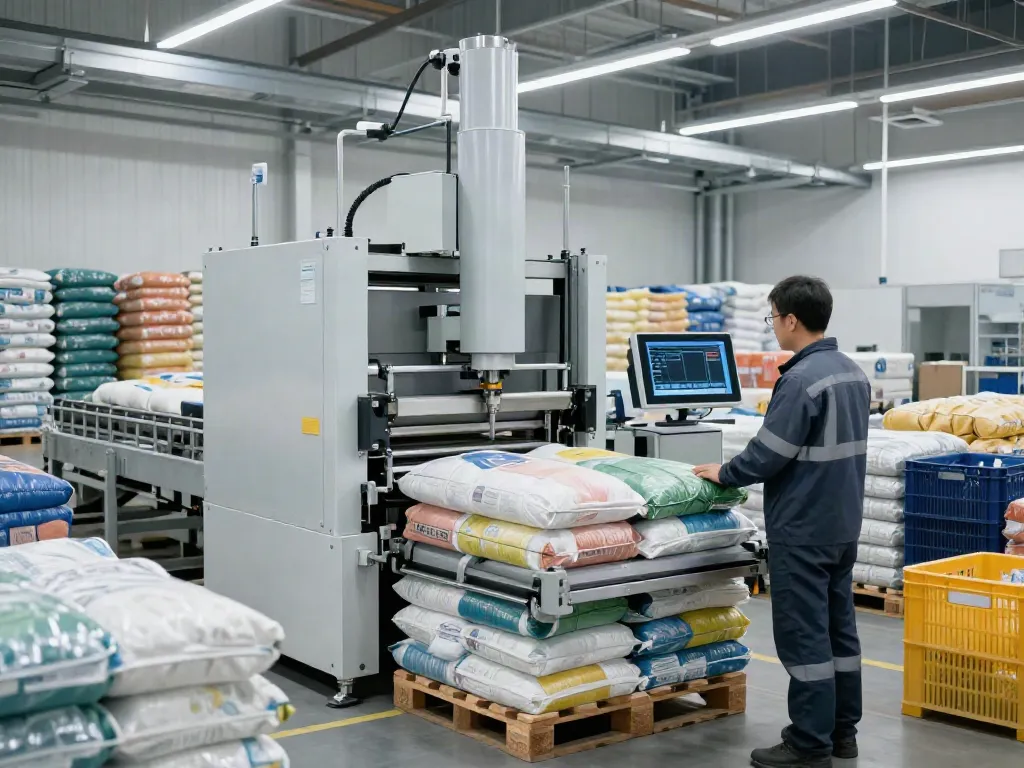
An automatic bag palletizer machine is designed to efficiently stack bags of varying sizes and weights onto pallets for storage or shipment. Utilizing advanced robotics and automation technology, these machines can handle a range of products, from agricultural grains and fertilizers to food items and chemicals. The key functionality revolves around the ability to quickly and accurately organize bags, significantly speeding up the workflow at the end of the packaging line.
Key Features and Functions of Modern Machines
Modern automatic bag palletizers are equipped with several features that enhance their performance:
- High-Speed Operation: Capable of palletizing dozens of bags per minute, these machines reduce bottlenecks in production.
- Flexibility: Advanced models can adapt to different bag sizes and weights, making them suitable for various industries.
- User-Friendly Interfaces: Modern palletizers feature intuitive controls and monitoring systems, allowing operators to manage the machine with ease.
- Precision Control: With sensors and intelligent systems, automatic bag palletizers ensure exact placement of bags, improving pallet stability and load integrity.
Advantages Over Manual Palletizing Systems
Transitioning from manual palletizing to automated systems presents numerous advantages:
- Increased Efficiency: Machines can work continuously, reducing downtime and maximizing throughput.
- Labor Cost Reduction: Automation minimizes the need for manual labor, allowing businesses to allocate resources to other critical areas.
- Enhanced Safety: By reducing the manual handling of heavy bags, companies can lower the risk of workplace injuries, promoting a safer environment.
- Consistency: Automated systems provide uniformity in pallet loads, leading to better product handling and reduced waste.
Analyzing the Market Trends for 2026
The market for automatic bag palletizers is evolving, driven by technological advancements and changing consumer behavior. As we look forward to 2026, several trends are shaping the future of bag palletizing.
Growth Rate and Market Demand
Market analysts project that the demand for automatic palletizers will witness significant growth over the next few years. This increase is attributed to the rise of e-commerce and the constant need for efficiency in manufacturing and logistics. Industries are increasingly adopting automation to handle larger volumes of products efficiently, thereby propelling the market growth.
Emerging Technologies in Bag Palletizing
The integration of artificial intelligence (AI) and machine learning into bag palletizing systems is transforming the landscape. These technologies allow machines to learn optimal stacking patterns dynamically and adapt to changes in product specifications without extensive reprogramming. Moreover, the use of IoT (Internet of Things) enables remote monitoring and diagnostics, further streamlining operations.
Consumer Preferences and Expectations
Modern consumers demand faster delivery and better service, prompting companies to rethink their production and logistics strategies. The ability to quickly palletize and ship products directly influences customer satisfaction. As a result, businesses are increasingly investing in automatic bag palletizers to meet these demands while maintaining efficiency and quality in their supply chains.
Common Challenges in Implementing Automation
While the transition to automated systems presents many advantages, it is not without challenges. Companies must consider several factors before implementing an automatic bag palletizer machine.
Addressing Initial Investment and ROI
The upfront cost of purchasing and installing an automatic palletizer can be significant. Companies must conduct a thorough cost-benefit analysis to ensure that the investment will yield a favorable return over time. Factors to consider include labor savings, increased throughput, and reduced material waste.
Training Staff and Integrating New Systems
Training personnel to operate and maintain automated systems is essential for successful implementation. It is crucial to invest in comprehensive training programs that equip staff with the necessary skills to leverage the technology fully. Furthermore, integrating a new palletizing machine into existing workflows may require adjustments in operations, necessitating a well-thought-out implementation strategy.
Overcoming Technical and Maintenance Issues
Technical issues can arise with any automated system, leading to potential downtimes that can disrupt production. Companies must establish robust maintenance protocols and have a clear plan for troubleshooting to minimize these interruptions. Regular check-ups and preventive maintenance can enhance the longevity and reliability of palletizing machines.
Best Practices for Utilizing an Automatic Bag Palletizer Machine
To maximize the benefits of an automatic bag palletizer, businesses should adhere to best practices that enhance operational efficiency.
Optimizing Layout and Workflow for Efficiency
The layout of the packaging line plays a crucial role in the efficiency of an automatic bag palletizer. A well-structured workflow minimizes unnecessary movement, enabling faster bag transport to the palletizer. Companies should consider factors such as distance between equipment, space for maintenance, and safe passage for operators when designing the layout.
Regular Maintenance and Upkeep Strategies
Establishing a routine maintenance schedule is vital for keeping the bag palletizer in optimal condition. Regular inspections, software updates, and part replacements can prevent unexpected breakdowns and ensure machine longevity. Furthermore, maintaining clear documentation of maintenance activities can aid in identifying trends and addressing recurring issues.
Data-Driven Decision Making for Performance Improvement
Utilizing data analytics to monitor the performance of the automatic bag palletizer allows for informed decision-making. Analyzing metrics such as throughput rates, downtime incidents, and maintenance frequency provides insights that lead to improved operational efficiency. Leveraging this data can help companies adjust their strategies and improve overall productivity.
Future Predictions and Innovations for Bag Palletizing
As technology continues to advance, the field of automated bag palletizing is set to experience significant innovations that will enhance production processes and offer new opportunities for businesses.
Technological Advancements Expected by 2026
Future bag palletizing machines are expected to incorporate even more sophisticated technologies, including AI-driven predictive analytics and robotics capable of handling complex tasks. The next generation of machines will likely be more intuitive, adaptable, and energy-efficient, enabling companies to further optimize their operations.
Impact of AI and Robotics on Production Efficiency
AI and robotics will play a pivotal role in redefining production efficiency. Automated systems equipped with machine learning algorithms can continually optimize their operations, learning from past performance to enhance speed and accuracy. By harnessing these technologies, businesses can significantly reduce waste and improve quality control.
Future Challenges and Opportunities in Automation
Although the future of automatic bag palletizers looks promising, challenges will remain. Companies must stay ahead of the curve by continuously adapting to new technologies and addressing workforce implications. Embracing automation can open doors to new market opportunities and drive competitive advantage, but it will require proactive strategies and a commitment to innovation.