The Importance of Choosing the Right Glass Cutting Machine Supplier
When investing in a glass cutting machine, selecting the right glass cutting machine supplier is crucial. This decision impacts not only the quality of the machine you receive but also your operational efficiency and overall production costs. A reliable supplier should not only provide machines that meet your specifications but also have a solid reputation for service, support, and quality control. Understanding what to look for in a supplier can save you from common pitfalls that could hinder your production.
Understanding Supplier Credentials and Certifications
Before selecting a glass cutting machine supplier, it’s essential to verify their credentials and certifications. A reputable supplier will have various industry certifications that ensure they adhere to international quality and safety standards. Certifications such as ISO 9001 indicate that the supplier has a quality management system in place, which is crucial for maintaining consistent product quality. Additionally, look for suppliers that have been acknowledged for their technological innovations in the glass cutting industry, evidenced by patents or industry awards.
Common Pitfalls in Selecting Glass Cutting Equipment
One major pitfall in selecting glass cutting equipment is not thoroughly assessing your specific needs. For instance, consider whether a manual cutter or a CNC machine meets your production demands. Many businesses have faced costly operational issues due to investing in equipment that didn’t align with their throughput requirements. Furthermore, ensure that the supplier can provide ongoing support, as downtime from equipment failure can drastically affect your bottom line.
How Quality Affects Production Efficiency
The quality of the glass cutting machine plays a significant role in production efficiency. High-quality machines operate faster and with more precision, reducing waste and increasing yield. This is especially crucial in large-scale production environments where small discrepancies can lead to substantial losses. Investing in a reputable brand often leads to better long-term performance and reliability, ensuring that your production processes remain smooth and efficient.
Evaluating Technological Capabilities of Suppliers
As technology continues to evolve, evaluating the technological capabilities of potential suppliers becomes increasingly important. This involves not only understanding the machinery they offer but also their approach to innovation and integration of new technologies into their offerings.
Latest Trends in Glass Cutting Technology for 2026
The glass cutting industry is on the brink of significant technological advancements as we approach 2026. With the rising demand for precision and automation, trends such as AI integration and enhanced software functionalities are set to transform how glass cutting machines operate. These innovations will allow for more efficient cutting patterns and fewer errors, ultimately leading to cost reductions in both materials and labor.
Comparing CNC vs. Manual Cutting Machines
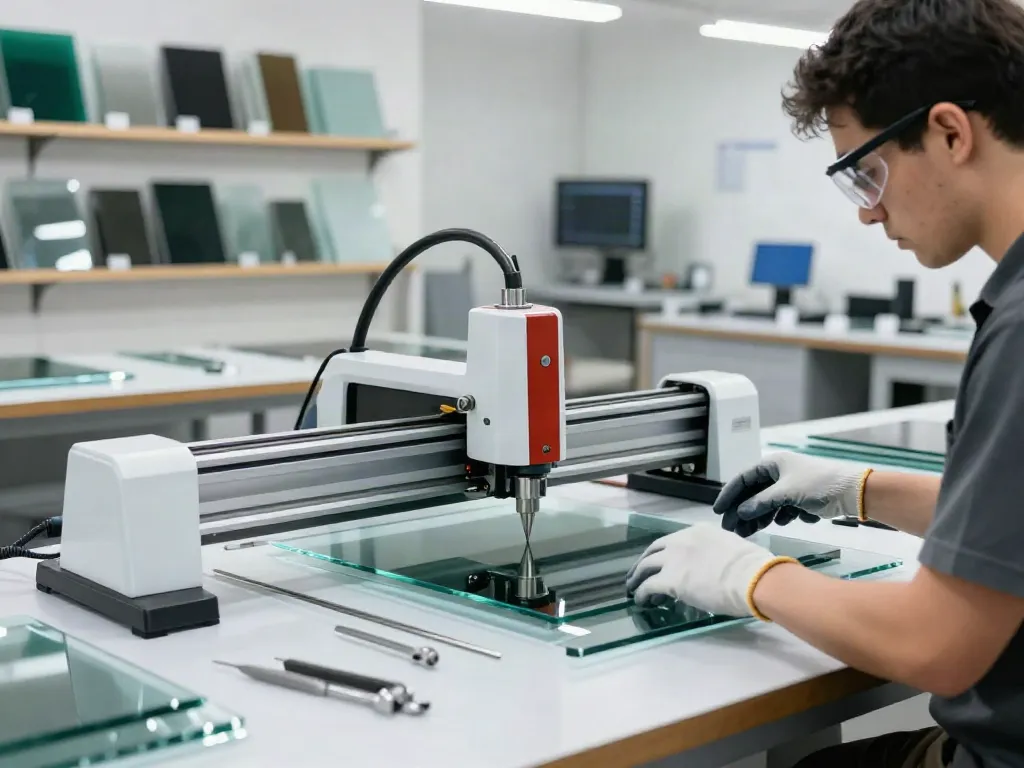
When evaluating glass cutting machines, one of the pivotal choices is between CNC (Computer Numerical Control) machines and manual models. CNC machines offer unparalleled precision and are ideal for high-volume production, while manual machines might be sufficient for smaller operations or custom jobs. Understanding the capabilities and limitations of each type is essential for making an informed decision that suits your business needs.
Performance Metrics to Consider When Evaluating Tools
When assessing the performance of glass cutting machines, consider metrics such as cutting speed, accuracy, and the types of materials that can be processed. For example, machines that can handle thicker or more complex glass types may prove more valuable in diverse applications. Additionally, evaluating energy efficiency and maintenance requirements can provide insights into the long-term costs associated with each machine type.
Industry Standards and Safety Guidelines
Safety in glass cutting operations cannot be overstated. Understanding and adhering to industry standards ensures that operations remain compliant, productive, and safe for all employees.
Essential Safety Practices for Glass Cutting Operations
Implementing essential safety practices is crucial in any glass cutting operation. Workers should be trained on how to operate machines safely, use personal protective equipment (PPE), and recognize potential hazards. Regular maintenance of the machinery can also prevent accidents, ensuring that all components are functioning correctly and safely.
Regulatory Compliance Requirements for Suppliers
Suppliers must comply with various local and international regulations regarding equipment safety and operational standards. It’s essential to verify that your supplier adheres to these regulations as failing to do so can impact your own business compliance. Always request documentation of compliance from prospective suppliers during your evaluation process.
Best Practices for Employee Safety Training
Regular safety training for employees is a best practice that should never be overlooked. Training programs should cover machine operation, emergency procedures, and proper handling of materials. Furthermore, creating a culture of safety where employees feel empowered to speak up about unsafe conditions can enhance overall workplace safety.
Assessing Costs and Returns on Investment
When considering a glass cutting machine, a thorough analysis of costs vs. returns is mandatory for ensuring a sound investment.
Identifying Hidden Costs in Glass Cutting Equipment
Hidden costs can significantly impact the overall expenditure associated with glass cutting equipment. These may include maintenance costs, training expenses, and even increased electricity bills depending on the machine’s efficiency. Conducting a comprehensive cost-benefit analysis helps uncover these hidden costs and allows for better budgeting.
Evaluating Long-Term Financial Returns with Quality Equipment
Investing in high-quality equipment often yields substantial long-term financial returns. While the initial cost might be higher, quality machines typically require less frequent replacement and lower maintenance costs over time. This financial foresight is essential when planning for future growth and expansion in your glass processing operations.
Understanding Warranty and Maintenance Implications
Warranties and maintenance agreements provided by suppliers can greatly affect the long-term viability of your investment. Understanding what is included in these warranties, as well as the terms of maintenance agreements, will prepare you for potential future costs and ensure that your operations remain compliant and up-to-date.
Future Trends and Innovations in Glass Cutting
The glass cutting industry is on the verge of several innovative changes that are set to reshape the market landscape.
Emerging Technologies and Their Impact on the Industry
Emerging technologies such as robotics and advanced automation are beginning to play a pivotal role in the glass cutting industry. These advancements improve precision and increase speed, allowing for a more efficient workflow. Additionally, incorporating IoT (Internet of Things) technology permits real-time monitoring of production processes, helping to identify issues before they impact output.
Predictions for Glass Cutting Suppliers in 2026
As we approach 2026, suppliers who adapt to the latest technologies and market demands are expected to thrive. This includes a focus on sustainability and energy efficiency in equipment design. Suppliers that prioritize environmentally friendly practices and materials will likely gain preference among businesses seeking to enhance their corporate responsibility.
How Sustainability will Shape the Glass Cutting Market
Sustainability will continue to be a driving force in the glass cutting market, influencing both production processes and supplier practices. Suppliers that invest in sustainable technologies, such as energy-efficient machines and recyclable materials, will not only meet regulatory standards but will also appeal to an increasingly eco-conscious consumer base.
What should I look for in a glass cutting machine supplier?
When seeking a glass cutting machine supplier, prioritize their reputation for quality and service, range of products, and ability to provide support after the purchase. Additionally, assess their compliance with industry standards and their history of technological innovation.
How can I ensure safety when using glass cutting machines?
Ensure safety by providing comprehensive training for operators, adhering to all safety guidelines and regulations, and conducting regular equipment maintenance to minimize risks.
What are the benefits of CNC glass cutting machines?
CNC glass cutting machines offer greater precision, reduce wastage, and enhance production speeds when compared to manual cutting methods, making them suitable for high-volume tasks.
Are there specific regulations for glass cutting suppliers?
Yes, glass cutting suppliers are subject to various safety regulations and industry standards. Ensure your supplier complies with these regulations to guarantee a safe and reliable investment.
How do I assess the quality of a glass cutting machine?
Assess the quality by examining the machine’s build materials, precision capabilities, warranty terms, and performance metrics during actual production processes. Customer reviews and supplier certifications can also provide valuable insights.