Understanding Diesel Particulate Filters (DPFs)
Diesel engines, known for their efficiency and durability, have become a staple in various industries. However, as they operate, they produce harmful soot and particulate matter that can be detrimental to the environment and human health. This is where Diesel Particulate Filters (DPFs) come into play. Installed in the exhaust systems of diesel engines, DPFs are designed to capture and store these particulates, ensuring cleaner emissions. Understanding how DPFs work, their importance, and the common issues they face is essential for maintaining optimal engine performance and compliance with environmental regulations.
When exploring options for dpf reinigung hannover, it’s crucial to understand both the functionality and maintenance of these filters to avoid costly repairs and ensure vehicle efficiency.
What is a DPF and Its Importance?
A Diesel Particulate Filter (DPF) is a specialized device within the exhaust system of diesel engines, designed to filter out soot and other particulates from the exhaust gases. The significance of DPFs extends beyond mere compliance with emissions regulations; they play a vital role in enhancing fuel efficiency, improving engine performance, and reducing harmful emissions. By capturing particulates that would otherwise contribute to air pollution, DPFs help create a cleaner environment.
How DPF Works: Key Technologies Explained
DPFs utilize various technologies to effectively capture and eliminate soot. The primary methods include:
- Passive Regeneration: This process occurs during normal driving conditions when exhaust temperatures are sufficient to burn off accumulated soot.
- Active Regeneration: In situations where passive regeneration cannot occur, the engine management system injects fuel into the filter to increase the temperature, thus burning off the soot.
- Chemical Additives: Some DPFs use additives to lower the combustion temperature of soot, facilitating easier removal.
Understanding these technologies is essential for identifying potential issues and ensuring the longevity of the DPF.
Common Issues Faced by Diesel Engines
While DPFs are crucial for maintaining cleanliness and efficiency, they can encounter several issues, including:
- Clogging: Accumulation of soot leads to reduced efficiency, increased exhaust back pressure, and potential engine damage.
- Failed Regeneration: If the regeneration process fails, soot builds up, leading to a complete blockage that may necessitate professional cleaning or replacement.
- Sensor Failures: Damaged or faulty sensors can misinform the engine management system about the DPF status, leading to unnecessary and costly repairs.
The DPF Reinigen Process: Step-by-Step Guide
Regular maintenance of the DPF is crucial to avoid significant repairs and enhance the lifespan of your vehicle. The process of DPF cleaning, or DPF reinigung, involves several steps that ensure thorough cleaning and restoration of the filter’s efficiency.
Preparation: Tools and Equipment Needed
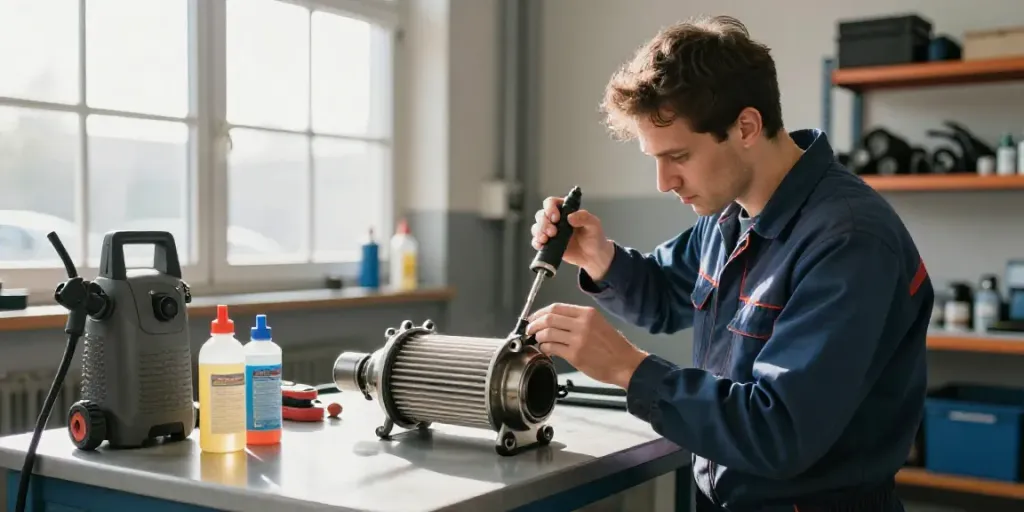
The effectiveness of DPF cleaning heavily relies on the right tools. Essential equipment includes:
- High-pressure water or air compressor for initial cleaning
- DPF cleaning machine that utilizes ultrasonic or chemical cleaning methods
- Safety gear such as gloves and masks to protect against chemical exposure
Having the right tools will facilitate a more efficient and effective cleaning process.
Cleaning Techniques: Methods and Best Practices
There are several methods for cleaning a DPF, including:
- Ultrasonic Cleaning: This involves using ultrasonic waves to remove soot and debris from the filter surface.
- Chemical Cleaning: Utilizing specialized cleaning agents that dissolve soot and ash deposits.
- Manual Cleaning: Using a brush or compressed air for less contaminated filters, although this method is not as effective for deep cleaning.
Each method has its advantages, and the choice depends on the extent of contamination and the specific DPF model.
Post-Cleaning Procedures: Ensuring Optimal Performance
After the DPF is cleaned, there are important steps to ensure it functions correctly:
- Conduct a thorough inspection of the DPF and surrounding components for damage.
- Reset the vehicle's engine management system to recalibrate after cleaning.
- Perform a test drive to confirm that the DPF is operating correctly and no warning lights are illuminated.
Following these steps helps maintain the performance of the DPF and vehicle overall.
Benefits of Professional DPF Reinigung in Hannover
Utilizing professional DPF cleaning services offers numerous advantages, especially for diesel vehicle owners. From saving costs to ensuring compliance with regulations, the benefits are significant.
Cost Savings: Avoiding Expensive Replacements
One of the primary advantages of professional DPF reinigung is the potential for substantial cost savings. Replacing a DPF can be prohibitively expensive, often costing thousands of euros. Regular professional cleaning can extend the lifespan of the DPF, thus avoiding the need for premature replacements. Many services offer competitive pricing, making it a smart investment for any diesel vehicle owner.
Improved Engine Performance and Efficiency
Regular DPF cleaning leads to better exhaust flow, improved fuel efficiency, and enhanced overall engine performance. A clean DPF allows the engine to operate under optimal conditions, reducing strain and preventing breakdowns. This results in better acceleration and power delivery, enhancing the driving experience.
Environmental Impact: Reducing Emissions
Professional DPF cleaning contributes to lower emissions from diesel vehicles. By ensuring that the DPF functions properly, vehicles meet strict emission standards, reducing their environmental footprint. This is increasingly significant as regulations regarding diesel emissions tighten, especially leading up to 2026.
Common Questions About DPF Reinigung
Many diesel vehicle owners have questions regarding DPF cleaning. Here are some of the most frequently asked inquiries:
How Often Should DPF Be Cleaned?
The frequency of DPF cleaning depends on driving habits and vehicle type. Generally, it is advisable to clean the DPF every 100,000 kilometers, but vehicles that have frequent short trips may require more frequent cleaning.
Is DIY DPF Cleaning Effective?
While some DIY methods exist, they are often not as effective as professional cleaning services. Professional cleaning utilizes specialized equipment and knowledge that ensure thorough cleaning, which is critical for restoring the DPF’s function.
What to Expect After a DPF Cleaning Service?
After a DPF cleaning, vehicle owners can expect improved performance, reduced emissions, and a notification on the dashboard indicating the health of the DPF has returned to optimal levels. Regular follow-up inspections are advisable to maintain performance.
Future Trends in DPF Technology and Maintenance
The landscape of diesel particulate filter technology is evolving rapidly. As innovations emerge, understanding future trends is crucial for vehicle owners and service providers alike.
Emerging Technologies in DPF Reinigen
Advancements in cleaning technologies, such as the use of nanotechnology and more efficient cleaning chemicals, are on the rise. These technologies promise to enhance the effectiveness and efficiency of DPF cleaning, ensuring thorough removal of particulates.
The Role of Predictive Maintenance
Predictive maintenance technologies, utilizing IoT sensors, are becoming more prevalent in monitoring DPF health. By analyzing data in real-time, it allows for proactive cleaning and maintenance, preventing costly repairs and downtime.
Anticipated Regulations for Diesel Vehicles in 2026
As environmental concerns grow, regulations on diesel emissions are becoming stricter. By 2026, regulations will likely mandate even lower emissions standards for diesel vehicles, emphasizing the need for regular DPF maintenance and cleaning to ensure compliance.