Understanding Carpentry Services Sydney
Carpentry plays a crucial role in the construction and renovation industries, especially in dynamic urban landscapes like Sydney. As homeowners and business owners seek to enhance their properties, the demand for Carpentry Services Sydney has soared. These services encompass a wide range of tasks, from structural framing to intricate detailed work, significantly contributing to the aesthetic and functional aspects of buildings. Understanding what carpentry services entail is vital for anyone looking to undertake a construction or renovation project, providing clarity on their options and the expertise required for successful completion.
What are Carpentry Services?
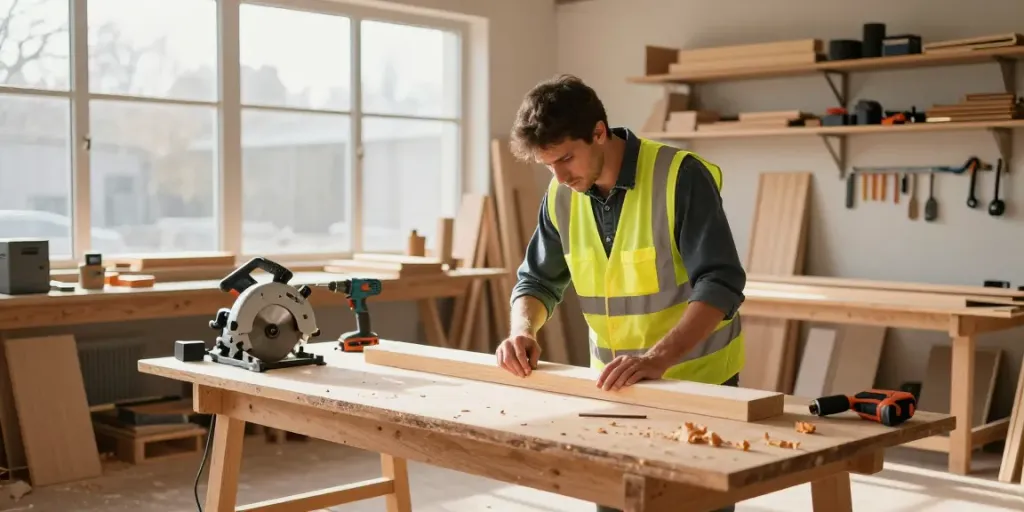
Carpentry services refer to the skilled work involving wood and other materials to construct, install, and repair structures or fixtures. Carpenters are trained to handle various tasks ranging from the framing of buildings to the crafting of custom furniture. These services often include:
- Framing: The process of building the skeleton of structures, forming the foundation for walls, roofs, and floors.
- Finish Carpentry: This includes trimming, molding, and other details that add character to interior spaces.
- Decking and Outdoor Structures: Constructing outdoor decks, pergolas, and fencing.
- Renovations and Remodeling: Services that improve or upgrade existing structures.
Types of Carpentry Services Available in Sydney
The carpentry services landscape in Sydney is diverse, with numerous specialized options available. Different types of carpentry services include:
- Residential Carpentry: Focuses on homes and includes services like renovations, extensions, and custom cabinetry.
- Commercial Carpentry: Involves larger projects aimed at businesses, including fittings for offices, shops, and restaurants.
- Industrial Carpentry: Typically more robust constructions suited for factories and warehouses.
- Restoration Carpentry: Services aimed at restoring heritage buildings while preserving their historical integrity.
Importance of Skilled Carpenters in Construction
Skilled carpenters are essential to any construction project. Their expertise not only ensures structural integrity but also enhances the aesthetic appeal of spaces. Employing qualified carpenters mitigates risks associated with poor workmanship, which can result in costly repairs and safety hazards. Furthermore, skilled carpenters can provide insights and solutions during the planning phase, ensuring that projects are visually appealing and compliant with local regulations.
Choosing the Right Carpentry Service Provider
Finding the right carpentry service provider is paramount to the success of any construction or renovation project. With numerous options available in Sydney, it's crucial to evaluate potential carpenters carefully.
Factors to Consider When Selecting a Carpenter
When assessing carpentry service providers, consider the following factors:
- Experience: Look for providers with a proven track record in completing similar projects.
- Reputation: Online reviews and referrals from past clients can provide insight into the quality of work.
- Licensing and Insurance: Ensure that the carpenter is licensed and holds relevant insurance to protect against liabilities.
- Specialization: Some carpenters may specialize in certain areas, such as custom cabinetry or commercial projects, which may align with your needs.
How to Assess Carpentry Skills and Experience
Evaluating a carpenter's skills and experience can involve various techniques, including:
- Reviewing portfolios of previous work to assess craftsmanship and style.
- Checking qualifications and certifications relevant to carpentry.
- Interviewing candidates to gauge their knowledge of carpentry best practices and local building codes.
Questions to Ask Before Hiring
Before finalizing your choice, ensure to ask potential carpenters the following questions:
- What is your process for project management and communication?
- Can you provide references from past projects?
- What is your estimated timeline and cost for my project?
- How do you handle unexpected issues during a project?
Common Challenges in Carpentry Projects
While carpentry projects can substantially enhance properties, they often come with challenges that require careful management. Understanding these difficulties can help ensure project success.
Addressing Budget Constraints
Budgeting for carpentry projects can be tricky. Materials, labor, and unforeseen changes can quickly escalate costs. To avoid budget overruns:
- Create a detailed budget that includes all potential costs.
- Allow for a contingency fund to cover unexpected expenses.
- Work with your carpenter to optimize material use without compromising quality.
Managing Project Timelines Effectively
Delays can derail carpentry projects, so it’s essential to establish a realistic timeline. To manage timelines effectively:
- Set clear milestones throughout the project.
- Communicate regularly with your carpenter to address any potential delays.
- Factor in time for inspections, weather, and sourcing materials.
Navigating Design and Structural Issues
Design and structural challenges can impact the feasibility of carpentry projects. To mitigate these risks:
- Work with experienced contractors who can identify potential issues early.
- Involve design professionals when planning significant renovations or new constructions.
Best Practices for Successful Carpentry
Implementing best practices in carpentry can significantly enhance project outcomes. Below are key strategies for success.
Planning and Design Essentials
Effective planning is the backbone of any successful carpentry project. Key steps include:
- Developing a detailed design that meets both functional and aesthetic goals.
- Engaging with stakeholders to gather input during the planning phase.
- Utilizing design software for visualizing the final outcome.
Techniques for Quality Craftsmanship
Quality craftsmanship is paramount in carpentry. Here are some techniques that promote high standards:
- Selecting high-grade materials that suit the project scope.
- Employing precision tools for accurate cuts and fittings.
- Regularly inspecting work to ensure adherence to design specifications.
Emphasizing Safety in Carpentry Work
Safety should always be a priority on carpentry sites. Implementing safety practices includes:
- Providing personal protective equipment (PPE) for all workers.
- Conducting safety briefings before starting tasks.
- Adhering to local safety regulations and guidelines.
Future Trends in Carpentry Services in 2026
As we look ahead to 2026, several key trends are expected to shape the carpentry services industry.
Incorporating Sustainable Practices in Carpentry
With growing environmental concerns, many carpentry services are adopting sustainable practices. This trend includes using reclaimed materials, reducing waste through efficient planning, and employing eco-friendly finishes.
Technological Advancements Impacting the Industry
Technology is revolutionizing carpentry services, from design software that enables precise planning to the use of drones for surveying sites. These advancements promise to enhance efficiency and accuracy in carpentry projects.
Predictions for Carpentry Project Demands
As urbanization continues, the demand for innovative carpentry services is likely to grow. This includes a rise in custom builds and renovations, as property owners seek unique designs that reflect personal styles and values.
What are the benefits of hiring professional carpentry services?
Hiring professionals ensures that projects are completed to a high standard, adhering to safety regulations and building codes. Professionals also possess valuable expertise, reducing the likelihood of costly mistakes.
How do carpentry services differ for residential and commercial projects?
Residential carpentry typically focuses on individual homes, while commercial carpentry deals with larger, multi-faceted projects like offices or retail spaces. Commercial carpentry may require compliance with more stringent building codes and regulations.
What types of materials are commonly used in carpentry?
Common materials include hardwoods, softwoods, plywood, and engineered wood products. The choice of material often depends on the specific project requirements and budget constraints.
What skills should I look for in a carpenter?
Look for carpenters with strong technical skills, attention to detail, problem-solving abilities, and good communication skills. Experience and a solid portfolio can also indicate quality craftsmanship.
Are carpentry services worth the investment?
Investing in quality carpentry services can enhance property value, improve functionality, and create pleasing aesthetics. When done right, they can yield significant long-term benefits.