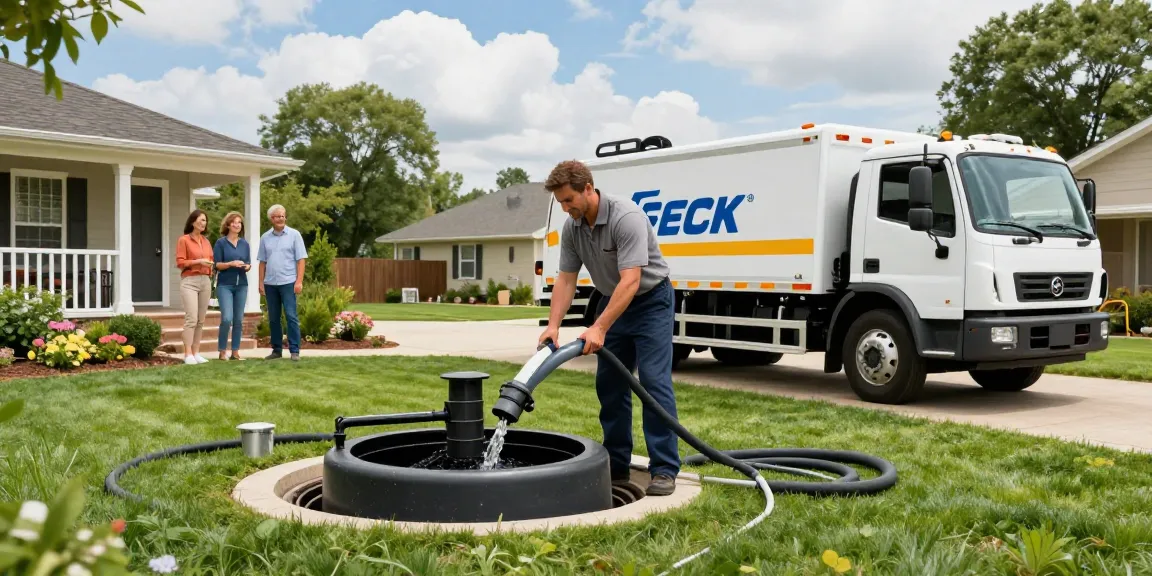
Understanding the Importance of Septic Tank Pumping
Septic tank pumping is a crucial aspect of maintaining a healthy and efficient waste management system for your home. Many homeowners overlook this essential service, often leading to significant problems that could have been easily avoided. Whether you're new to septic systems or have one at your home, understanding the ins and outs of septic tank pumping can ensure your system operates effectively for years to come. When exploring options, Septic tank pumping IE services provide comprehensive insights into maintaining your system.
What is Septic Tank Pumping?
Septic tank pumping involves the removal of sludge and scum buildup from your septic system. Over time, solids accumulate in the tank, reducing its capacity and efficiency. To prevent overflowing and potential damage to your property, regular pumping is necessary. This process usually requires a professional service that utilizes a vacuum truck to extract waste materials from the tank.
Benefits of Regular Maintenance
Maintaining your septic system through regular pumping offers numerous benefits:
- Prevention of Backups: Regular pumping minimizes the risk of sewage backups in your home, which can lead to costly repairs and health hazards.
- Extended Lifespan: A well-maintained septic system lasts longer, reducing the need for expensive replacements.
- Environmental Protection: Regular pumping helps prevent soil and groundwater contamination, protecting local ecosystems.
Common Misconceptions About Septic Systems
Many homeowners harbor misconceptions about septic systems, which can lead to neglect. For instance, some believe that additives can replace the need for pumping, which is not true. Others think that septic systems can handle more waste than they actually can. Understanding the truth about these systems is essential for proper care.
Signs Your Septic Tank Needs Attention
Being able to recognize the signs that your septic tank requires attention can save you from costly repairs and maintenance. Here are some key indicators to watch for:
Indicators of an Overloaded Septic Tank
One of the primary signs that your septic tank may be overloaded is slow drainage in sinks, toilets, and bathtubs. If you notice that water is pooling in your yard or near the tank, it may indicate a problem. Other signs include gurgling sounds in the plumbing and fluctuating water levels inside the tank itself.
Recognizing Unpleasant Odors
Foul odors around your yard or near your septic tank can signify that something is wrong. These odors may indicate that the tank is full or that there is a leak in the system. Addressing these smells promptly can prevent further complications.
Surface Water and Drainage Issues
Excess water pooling on the surface of your yard or near your drain field is another red flag that shouldn’t be ignored. This can indicate a saturated drain field or failures in the septic system that need urgent attention.
Choosing a Reliable Septic Tank Pumping Service
Finding a reputable septic tank pumping service is vital for maintaining your system's health. The right service will help ensure that you receive quality care and attention to your needs.
Key Qualities of Professional Services
When looking for a septic tank pumping company, consider the following qualities:
- Experience: A company with a proven track record is more likely to provide superior service.
- Licensing and Insurance: Ensure the service is appropriately licensed and insured to avoid potential liabilities.
- Positive Reviews: Look for feedback and testimonials from previous customers to gauge the quality of service.
Questions to Ask Potential Providers
Before hiring a septic tank pumping service, it's important to ask the right questions, such as:
- What is included in the pumping service?
- How often do you recommend pumping?
- What additional services do you offer for septic system maintenance?
Understanding Service Costs and Estimates
The cost of septic tank pumping can vary based on the size of your tank and your geographic location. It’s crucial to obtain estimates from several companies, providing a comparison that can help you find a fair price without compromising quality.
Best Practices for Homeowners
Regular maintenance is essential for the longevity and efficiency of your septic system. Here are a few best practices homeowners should follow:
Regular Inspection Schedules
Establish a regular inspection schedule—typically every 1 to 3 years depending on usage and tank size. Regular inspections can help catch problems before they escalate.
Dos and Don'ts for Septic System Usage
To keep your septic system functioning properly, adhere to these dos and don'ts:
- Do: Use water efficiently to reduce strain on your system.
- Don't: Dispose of non-biodegradable items in your toilet.
- Do: Keep hazardous chemicals away from your septic tank.
Environmental Impact and Conservation Tips
Be conscious of your environmental impact by conserving water and using eco-friendly products. This not only benefits your septic system but also promotes sustainability in your community.
The Future of Septic Systems and Pumping Services
The septic industry is evolving, with new technologies and regulatory changes shaping its future. Staying informed about these trends can help homeowners make the best decisions for their systems.
Emerging Technologies in Septic Maintenance
Innovative technologies, such as advanced treatment systems and monitoring solutions, are becoming more prevalent. These advancements can allow for better performance and more efficient maintenance.
Regulatory Changes Impacting Septic Systems
Be aware that regulations regarding septic systems may change, specifically concerning installation and maintenance requirements. Keeping updated with local regulations is key to compliant and effective management.
Preparing for Future Trends in Septic Care by 2026
Looking ahead, homeowners should be proactive about their septic systems. This includes investing in regular maintenance, being familiar with new technologies, and adhering to evolving regulations to ensure ongoing system efficiency.
What are the signs that my septic tank is full?
Common signs include slow drainage, unpleasant odors, and surface water pooling. If you notice any of these, it's time to consult a professional.
How often should I have my septic tank pumped?
Generally, septic tanks should be pumped every 3 to 5 years, depending on usage and system size. Consult your provider for personalized recommendations.
Can I do maintenance on my septic system myself?
While performing minor maintenance tasks is possible, it's advisable to leave pumping and thorough inspections to professionals to ensure safety and compliance.
What should I expect during a septic tank pumping service?
During service, technicians will inspect the tank, pump out waste, and may offer advice on maintenance practices tailored to your system.
How can I find a reputable septic tank pumping company?
Seek recommendations from neighbors, check online reviews, and ensure that the company possesses the necessary licenses and insurance for a trustworthy service.