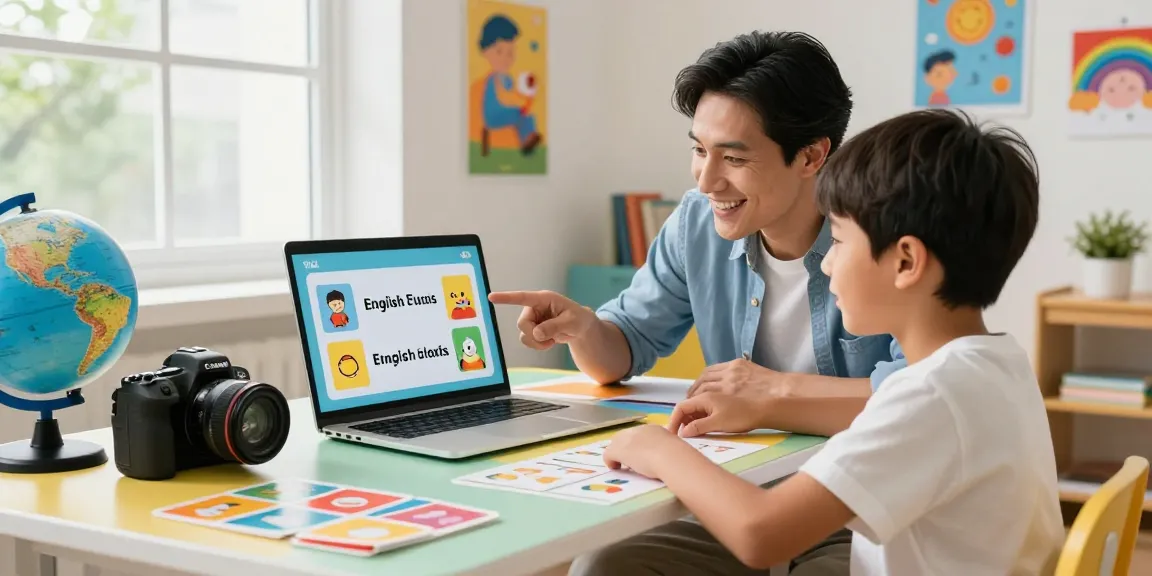
Understanding English Online for Kids
In today's fast-paced digital age, learning has transformed dramatically, with technology shaping how children engage with new information. Online education, particularly English online for kids, has become a prominent choice for parents seeking effective ways to cultivate their children's language skills. Providing children access to English lessons through engaging modes helps them not only acquire language proficiency but also develop a passion for learning that can last a lifetime.
What is English Online Learning?
English online learning for kids is a structured course designed specifically to teach the English language via online platforms. It allows children to connect with experienced tutors from around the globe, enabling a personalized and flexible learning experience. Unlike traditional classroom settings, online learning can adapt to each child's unique pace, learning style, and interests. This flexibility can significantly enhance motivation and retention, leading to better outcomes.
The Importance of Early Language Education
Research highlights that early language education sets a strong foundation for cognitive development and social skills. Children who learn English from a young age are often better equipped to tackle the complexities of the language as they grow. Furthermore, being bilingual or multilingual can enhance problem-solving abilities and creative thinking. Thus, introducing English at an early stage can provide children with a competitive edge in an increasingly globalized world.
Key Benefits of One-on-One English Lessons
- Individual Attention: One-on-one lessons ensure that a child receives personalized guidance tailored to their specific needs.
- Customized Learning Experience: Tutors can adapt their teaching methods based on the child's learning style, making education more effective.
- Flexibility: Scheduling lessons online allows for adjustments according to the child's routine, promoting consistency and commitment.
- Immediate Feedback: Learners can receive instant feedback during sessions, helping them correct mistakes and grasp concepts quickly.
- Engagement: Interactive lessons can be designed using games, activities, and discussions that keep children engaged and excited about learning.
Choosing the Right Tutor for Your Child
Qualities to Look for in an English Tutor
Finding the right English tutor for your child can significantly influence their learning experience. Here are key qualities to consider:
- Experience and Qualifications: Tutors should have a background in teaching English and ideally experience working with children.
- Communication Skills: A tutor who communicates clearly and effectively can explain concepts in a way that children understand.
- Empathy and Patience: Understanding that each child has unique challenges can help tutors foster a supportive learning environment.
- Engagement Techniques: Tutors should be adept at using various teaching materials and techniques that keep lessons lively and enjoyable.
- Flexibility: A tutor who can adjust their methods based on the child’s progress will be most beneficial.
How Tutor Selection Impacts Learning Outcomes
The choice of tutor is pivotal in shaping a child's learning trajectory. A tutor with a deep understanding of child development can create an environment where students feel comfortable expressing doubts and asking questions. This open communication fosters trust and encourages a growth mindset, essential for language acquisition.
Assessing Tutor Compatibility with Your Child
Not all tutors will be an ideal match for every child. It's vital to assess compatibility, which can include:
- Teaching Style: Observe if the tutor's teaching style resonates with your child.
- Personality Match: A rapport between the tutor and child can enhance learning; children often engage better with tutors they like.
- Trial Lessons: Consider trial lessons to evaluate how well the tutor interacts with your child and how they adapt to their learning needs.
The Learning Methods Used in Online English Tutoring
Exploring the Immersion Method
The immersion method involves teaching language in context, rather than through rote memorization. Tutors using this method engage children by exposing them to English through stories, music, conversations, and real-life situations. This approach helps children grasp the language's practical usage, making learning more vivid and relatable.
Game-Based Learning Techniques
Games are powerful tools for engagement and can significantly enhance language learning. By incorporating game-based techniques, tutors can turn lessons into fun activities that motivate children to learn. Children can learn vocabulary, sentence structure, and pronunciation without feeling overwhelmed.
CEFR Standards in Language Learning
The Common European Framework of Reference (CEFR) establishes a framework for language proficiency levels. Many online learning platforms adapt their curricula to align with these standards. This ensures that children not only learn effectively but also have a clear pathway to progress through levels of proficiency.
Setting Goals and Tracking Progress
Creating a Personalized Learning Plan
Setting personalized learning goals is crucial for tracking a child's progress. Tutors should work with parents and students to develop plans that encompass specific language skills, including speaking, reading, and writing. These plans should be dynamic, allowing for adjustments based on the child's evolving needs and achievements.
Measuring Language Proficiency Improvements
Progress measurement can include regular assessments and feedback sessions. Tutors can use quizzes, interactive activities, and even informal observations to gauge a child's proficiency. These evaluations not only provide insight into the child's development but also help boost their confidence as they witness their own progress.
Adjusting Learning Strategies Based on Student Needs
Learning is not a linear process, and tutors must remain flexible. Adjusting teaching strategies based on real-time observations and feedback from the child can create an effective learning environment. Whether a child requires more foundational skills or advanced conversational practice, a competent tutor can pivot their approach accordingly.
Future Trends in Online English Learning for Kids
Technological Innovations Enhancing Learning
The future of online English learning is promising, with technology continuously evolving. Innovations like augmented reality (AR) and virtual reality (VR) may offer immersive learning experiences, making language acquisition more interactive than ever. These technologies can simulate real-world conversations, allowing children to practice their language skills in lifelike scenarios.
Predictions for Language Learning in 2026
As educational technology continues to advance, we can expect more personalized learning experiences tailored to individual needs. AI-driven platforms may assess students in real-time, modifying lesson plans and materials to fit their proficiency levels, thus enriching the educational journey.
Building Lifelong Learning Habits in Children
Encouraging children to view learning as a lifelong pursuit is essential. Online English tutoring can instill positive learning habits by fostering curiosity and a sense of achievement. By making learning enjoyable and engaging, children are more likely to continue their language education throughout their lives.
What age is best for starting English online lessons?
Children can start learning English as early as four years old. Early exposure builds familiarity and comfort with the language, making it easier for them to advance as they grow.
How to ensure your child stays engaged during lessons?
To keep children engaged, interactive lessons filled with games, stories, and active participation are crucial. Regularly changing the format and incorporating their interests can help to maintain their enthusiasm for learning.
Can children learn English online effectively alongside school learning?
Absolutely! Online English lessons can reinforce what children learn at school, allowing for deeper understanding. Additionally, online lessons can provide practical language application, preparing children for classroom discussions.
What should you expect from a trial lesson?
During a trial lesson, expect an assessment of your child’s current proficiency level, a discussion of learning goals, and an introduction to the tutor’s teaching style. This session should offer insights into how the tutor plans to address your child's specific needs.
Are online lessons suitable for children with learning difficulties?
Yes, online lessons can be tailored to accommodate children with learning difficulties. Experienced tutors can employ specialized strategies and materials designed to enhance the learning experience for these students.