Understanding Book Scanners: What Are They?
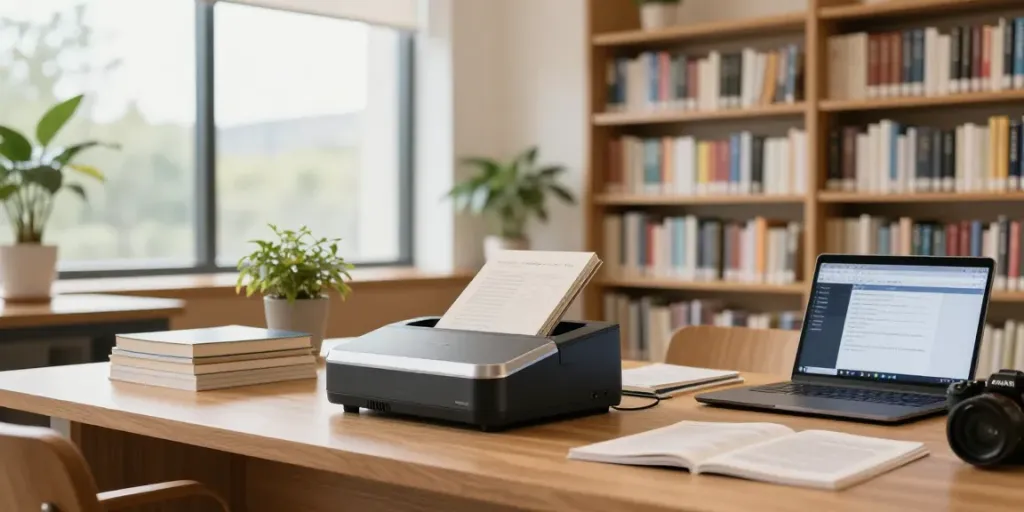
Book scanners are specialized devices designed to digitize bound materials, such as books, magazines, and other printed media. Unlike traditional flatbed scanners, book scanners utilize advanced technology to capture high-quality images of pages without damaging the spine or binding of the books. This innovation is particularly valuable in libraries, archives, and personal collections, where preserving the integrity of rare or delicate materials is crucial. When exploring options, Book Scanners offer various solutions tailored to meet different needs, from portability to high-speed scanning capabilities.
Definition and Purpose of Book Scanners
The primary function of book scanners is to convert physical books into digital formats, allowing for easy storage, sharing, and accessibility. They cater to a wide range of users, including students, researchers, librarians, and archivists, facilitating the digitization of entire libraries or personal collections swiftly and effectively. The ability to capture pages accurately and efficiently has transformed archiving practices, making it easier to provide access to previously restricted materials.
Types of Book Scanners Available in 2026
In 2026, the market for book scanners has diversified significantly, offering various models to meet specific needs. Here are some of the notable types:
- Overhead Book Scanners: These scanners use cameras positioned above the book to capture images, allowing for the scanning of thick volumes without damaging the binding.
- Flatbed Book Scanners: Ideal for scanning single pages, flatbed scanners are versatile and suitable for delicate materials.
- Handheld Scanners: Portable and user-friendly, these scanners allow for quick digitization of smaller books or specific pages.
- Automatic Book Scanners: These advanced models can automatically turn pages and scan multiple books in succession, saving time and effort.
Key Features to Look For in Book Scanners
When selecting a book scanner, certain features can enhance usability and output quality. Consider the following:
- Scan Resolution: Opt for scanners that offer high resolutions (at least 300 DPI) for clear images.
- Speed: Look for models that provide fast scanning to improve efficiency, especially in high-volume situations.
- Book Cradle Design: Scanners with a flexible book cradle can minimize stress on book spines, ensuring safety during the scanning process.
- Software Compatibility: Ensure the scanner is compatible with your existing software for easy integration and use.
Benefits of Using Book Scanners for Digitization
The digitization of books through scanning offers several advantages that extend beyond mere convenience. It not only preserves physical books but also enhances accessibility and utility for contemporary users.
Preserving Rare and Old Books Digitally
One of the most significant benefits of using book scanners is the preservation of rare and old books. By creating digital copies, libraries can protect fragile texts from physical degradation while still allowing access to valuable content. This practice fosters a culture of preservation, ensuring that literary heritage is maintained for future generations.
Enhancing Accessibility for Users
Digital copies of books improve accessibility for a wider audience. Individuals with disabilities can benefit from digital formats that allow for screen readers or other assistive technologies. Furthermore, digitization enables users from various locations to access texts, breaking down geographical barriers and expanding educational opportunities.
Streamlining Library and Archive Management
For libraries and archives, book scanners facilitate efficient management of collections. Digitized content can be indexed and searched easily, allowing for more effective retrieval and management of information. This technology also streamlines the process of creating backups, ensuring that valuable collections are safeguarded against loss.
Evaluating the Cost of Book Scanners
Cost is a significant consideration when investing in book scanners. Understanding the different pricing ranges and the potential long-term savings can inform your purchasing decision effectively.
Price Range for Different Models
Book scanners are available at various price points, depending on their features and capabilities. Basic handheld models can start at a few hundred dollars, while high-end overhead scanners may exceed several thousand. Evaluating your specific needs will help determine the right model within your budget. For instance:
- Handheld Scanners: $100 - $500
- Flatbed Scanners: $300 - $1,500
- Overhead Scanners: $1,000 - $10,000+
Long-Term Savings and Benefits
While the initial investment in a book scanner may seem high, consider the long-term benefits. Digitized books reduce the need for physical storage and can streamline operations within libraries and archives, ultimately translating to cost savings over time. Less wear and tear on physical materials also leads to lower replacement costs for frequently used texts.
Considering Total Cost of Ownership
When evaluating the cost of book scanners, consider the total cost of ownership. This includes not only the purchase price but also maintenance, software updates, and potential training costs for staff. A more expensive, high-quality scanner may end up being more economical in the long run due to its durability and efficiency.
Challenges and Considerations When Choosing a Book Scanner
Despite the numerous benefits, selecting the right book scanner comes with challenges. Understanding common misconceptions and clearly defining your needs can help mitigate these issues.
Common Misconceptions About Book Scanners
Many people believe that all book scanners are the same, but this is far from true. Different models are suited for various tasks, and not all scanners handle delicate materials well. Additionally, users may underestimate the importance of resolution and speed, which can significantly impact the quality and efficiency of the scanning process.
Assessing Your Specific Needs and Use Cases
Before purchasing a book scanner, carefully assess your needs. How often will you be scanning books? What types of materials will you be working with? Clarifying these considerations will guide you toward the most suitable option for your situation.
Integration with Existing Library Systems
Ensure that the book scanner you select can integrate seamlessly with your library management systems. Compatibility with existing software is crucial for maintaining workflow efficiency and ensuring that your digitization efforts are easily managed and utilized.
Future Trends in Book Scanning Technology
The landscape of book scanning technology continues to evolve rapidly. Keeping an eye on emerging trends can help organizations stay ahead in the digitization revolution.
Emerging Innovations to Watch in 2026
As technology advances, new innovations are continually reshaping the capabilities of book scanners. Artificial intelligence (AI) is being integrated into many models, enhancing image recognition and enabling more sophisticated features such as automatic correction of distortions in scanned images.
Anticipated Advances in Scanning Quality and Speed
Future book scanners are expected to offer even higher resolutions and faster scanning speeds. These improvements will not only reduce the time it takes to digitize large collections but will also enhance the quality of the digitized images, making them more accessible for various applications.
Impact of Technology on Archiving Practices
The ongoing advancements in book scanning technology are transforming traditional archiving practices. As digitization becomes the norm, organizations must adapt by developing strategies that leverage these new capabilities to enhance access and preservation efforts.
What are the best book scanners for personal use?
When considering book scanners for personal use, options like handheld scanners and affordable flatbed models provide excellent solutions. Key aspects to look for include portability, ease of use, and sufficient resolution for typical scanning needs.
How much does it cost to digitize a book?
The cost of digitizing a book can vary widely based on the method used and the technology involved. If you choose to outsource the work, expect to pay anywhere from $10 to $50 per book, depending on factors such as complexity and volume. Conversely, investing in your own scanner may yield savings over time, especially if you have numerous volumes.
What is a book scanner that can read books to me?
Some modern book scanners come equipped with text-to-speech capabilities, enabling scanned text to be read aloud. These devices are particularly beneficial for individuals with visual impairments or for educational purposes, enhancing accessibility and convenience.
How do you scan books to see what they are worth?
To assess the worth of books, digitized records can be compared against databases that track book values. Scanning pages such as title and copyright information can provide critical data points for valuation, aiding collectors and sellers in making informed decisions.