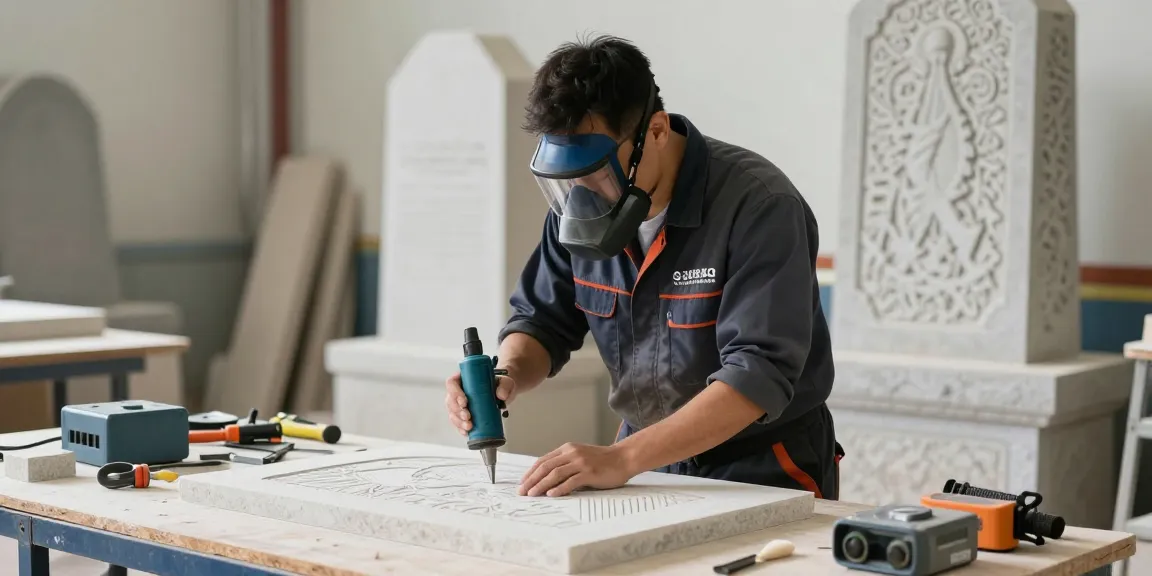
Understanding the Importance of a Sandblasting Mask for Local Services
In the realm of sandblasting, the most crucial aspect often overlooked is the safety equipment, particularly the sandblasting mask. This essential gear not only protects the operator from harmful particles generated during the blasting process but also ensures compliance with industry safety standards. Given that local service providers regularly engage in sandblasting tasks, understanding the significance of these masks is vital for maintaining a safe work environment.
What is a sandblasting mask and its function?
A sandblasting mask is a protective device designed to safeguard the face and respiratory system of the user during sandblasting operations. These masks are equipped with filters that trap dust, debris, and other hazardous particles that are released into the air when materials are sandblasted. By filtering out these harmful substances, the masks prevent inhalation and protect against skin irritations, respiratory issues, and even serious long-term health effects.
Health benefits of using sandblasting masks
The health benefits of using a sandblasting mask cannot be overstated. Sandblasting creates a significant amount of airborne particles that can lead to lung diseases, including silicosis and chronic obstructive pulmonary disease (COPD). By wearing an appropriate mask, workers reduce their risk of exposure to these particles. Moreover, high-quality masks can offer full-face protection, which is crucial in preventing injuries to the skin and eyes, especially in instances of sand rebound or chemical exposure.
Industry standards for safety equipment in sandblasting
According to the Occupational Safety and Health Administration (OSHA) regulations 29 CFR 1910.94 for abrasive blasting, industry operators must ensure that all employees engaged in sandblasting work are provided with and required to wear appropriate personal protective equipment (PPE). This includes certified sandblasting masks that comply with national standards, ensuring durability and effectiveness. Moreover, regular training and safety inspections are mandated to maintain compliance and promote a culture of safety on job sites.
Choosing the Right Sandblasting Mask: A Guide for Local Contractors
Choosing the right sandblasting mask is crucial for local contractors to ensure safety and efficiency on the job. Key features play a significant role in effective protection and usability. Here’s what to look for.
Key features to look for in a sandblasting mask
- Filters: Look for masks with high-quality filters that are rated to capture fine particles effectively.
- Fit: A properly fitting mask is essential. Ensure that the mask seals well against the face without gaps.
- Full-Face Protection: Full-face masks offer better protection for the eyes, face, and respiratory system compared to half masks.
- Comfort: Masks should be lightweight and designed for comfort, especially for extended wear times.
Comparing materials and durability
Sandblasting masks are made from various materials, including rubber, plastic, and silicone. The choice of material affects not only the durability of the mask but also its flexibility and comfort. High-quality materials resist abrasion and breakdown from chemicals, ensuring longevity. Local contractors should assess the durability of masks in relation to their specific applications, as varying materials perform differently based on the nature of the sandblasting tasks.
Local suppliers and professional recommendations
Obtaining sandblasting masks from reputable local suppliers ensures that contractors receive products that meet safety standards. Engaging with industry professionals for recommendations can also be beneficial; they can provide insights based on hands-on experiences with specific brands and models. It's wise to review supplier certifications and customer feedback, ensuring that the chosen masks will stand up to the demands of your projects.
Pricing Insights: Cost Breakdown for Sandblasting Masks
Understanding the cost implications of sandblasting masks is essential for effective budgeting in local service businesses. Prices can vary significantly based on brands, features, and compliance ratings.
Price ranges for different levels of protection
Sandblasting masks generally range from $50 for basic models to over $300 for high-end, full-face designs with sophisticated filtration systems. Investing in a higher-quality mask may yield better protection and durability, ultimately saving costs associated with health complications or equipment replacement.
Budgeting for safety equipment in your business
When budgeting for safety equipment, it's crucial to incorporate the cost of sandblasting masks alongside other essential safety gear, such as gloves and protective suits. Allocate a percentage of your overall safety budget specifically to respiratory protection, ensuring your team is equipped for the task.
Understanding return on investment for quality masks
Investing in high-quality sandblasting masks may initially appear costly; however, the return on investment can be significant. By reducing health risks and complying with OSHA regulations, businesses can potentially decrease insurance premiums, avoid costly fines, and minimize the risk of work-related diseases. Moreover, the longevity of quality masks means less frequent replacements, translating to overall cost savings.
Community Involvement: Supporting Local Health and Safety Initiatives
Local businesses play a vital role in promoting health and safety standards within the community. Involvement in initiatives that advocate for workplace safety can strengthen relationships and enhance community health.
The role of local businesses in promoting safety
By prioritizing safety equipment, such as sandblasting masks, local businesses demonstrate a commitment to the well-being of their employees and customers. Participating in community safety programs and sharing knowledge about safety gear can influence other businesses to follow suit, cultivating a culture of safety across the industry.
Collaborations with community health programs
Local contractors can collaborate with community health organizations to conduct workshops on the importance of safety equipment, offering training sessions that focus on proper usage and maintenance of sandblasting masks. Such initiatives not only position the business as a community leader but also create awareness of workplace safety.
Encouraging certification and training for safe practices
Encouraging employees to pursue certifications in safety practices is another way local businesses can invest in workplace safety. Certification programs often provide comprehensive training on the use and maintenance of PPE, including sandblasting masks, ensuring that all employees are well-informed and equipped to handle the risks associated with sandblasting.
Frequently Asked Questions About Sandblasting Masks
How often should a sandblasting mask be replaced?
Replacement intervals for sandblasting masks depend on usage and the manufacturer's recommendations. Generally, if a mask shows signs of wear, such as cracks or degraded seals, it should be replaced immediately. Additionally, regular inspection for filter effectiveness is essential; most filtration systems require replacement based on hours of use.
Can I use a regular mask for sandblasting?
No, regular masks are not designed to filter the high volumes of fine dust and particles produced during sandblasting. A dedicated sandblasting mask is engineered to provide the necessary protection and fit, ensuring safety while performing abrasive blasting tasks.
What are the best brands for sandblasting masks and why?
Brands such as 3M, North, and RPB are renowned for their quality sandblasting masks. These brands are favored due to their commitment to safety, durability, and comfort. Choosing masks from reputable brands ensures compliance with safety standards and enhances user protection during sandblasting operations.