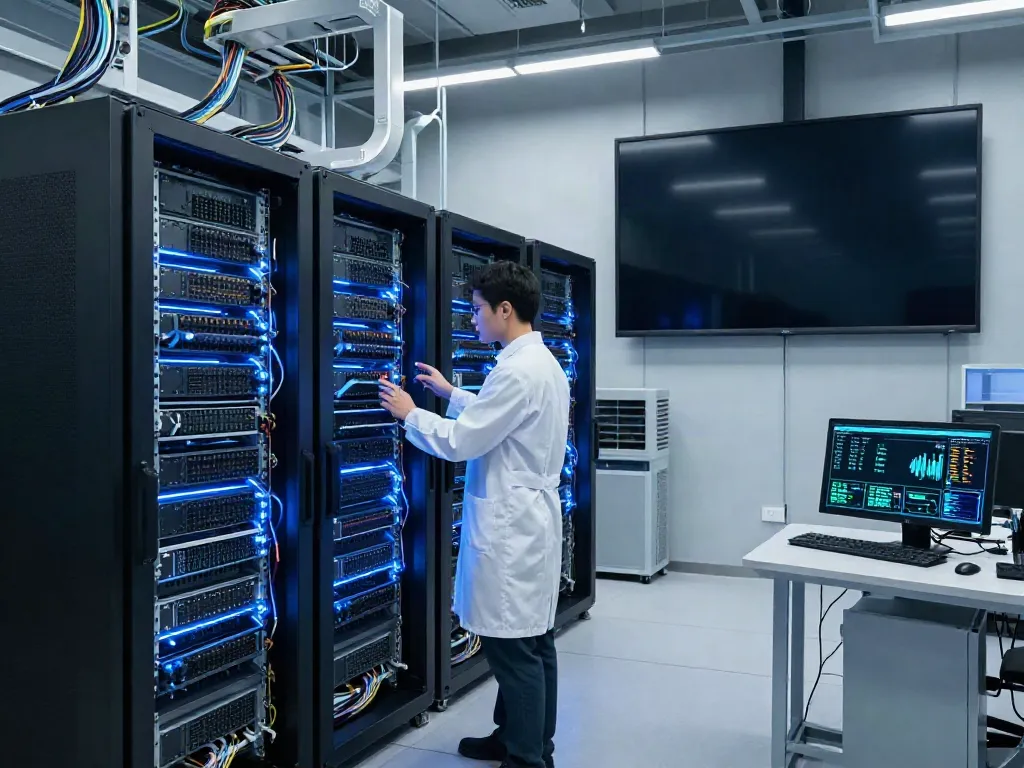
Understanding AI Data Centers
As artificial intelligence (AI) continues to reshape industries, the demand for specialized infrastructure to support AI workloads is surging. AI data centers are at the forefront of this revolution, providing the necessary computing power and efficiencies to handle complex algorithms and massive datasets. When exploring options, AI data center provide comprehensive insights into how these facilities operate and the benefits they offer.
What Is an AI Data Center?
An AI data center is a state-of-the-art facility designed specifically to support the computational needs of AI applications, from training and deploying machine learning models to executing inference tasks at scale. Unlike traditional data centers that may serve a variety of IT functions, AI data centers are optimized for tasks that require high-density computing, often centered around Graphics Processing Units (GPUs) and specialized hardware designed for parallel processing.
The Role of Power in AI Data Centers
Power is an essential component that drives the operations of any data center, but its role is amplified in AI environments. The increase in data processing demands means that AI data centers require a consistent and reliable power supply to operate efficiently. This includes high voltage power supplies, energy-efficient cooling systems, and backup sources to ensure uptime. Innovative power management techniques are becoming integral to maintaining operational efficiency while lowering costs.
Key Hardware Components in AI Data Centers
- Graphics Processing Units (GPUs): The backbone of AI computations, GPUs are designed to handle thousands of threads simultaneously, making them ideal for deep learning tasks.
- Tensor Processing Units (TPUs): Created by Google, TPUs are specialized processors that accelerate machine learning workloads in more efficient ways than traditional CPUs or GPUs.
- High-Performance Networking: Fast networking capabilities are essential for reducing latency and facilitating rapid data transfer between AI models and storage systems.
- Storage Solutions: With vast amounts of data generated, AI data centers utilize high-speed SSDs and distributed storage systems to ensure quick access and reliability.
How AI Data Centers Operate
To meet the growing requirements for AI workloads, understanding how AI data centers operate is crucial for both providers and users. The operational mechanisms of these centers are built around scalability, efficiency, and responsiveness to fluctuating demands.
Energy Efficiency and Sustainability Practices
Energy efficiency is a key focus for AI data centers, driven by the necessity to reduce operational costs and minimize environmental impact. Many facilities are adopting green technologies, including solar panels and energy-efficient cooling systems. Moreover, techniques like dynamic workload management allow data centers to optimize energy usage by adjusting power based on current demands.
Real-Time Performance Monitoring Techniques
AI data centers leverage sophisticated monitoring tools to track performance metrics in real time. This includes assessing the utilization of GPU resources, power consumption, and thermal conditions. By employing predictive analytics, facilities can anticipate potential performance bottlenecks and proactively address them before they impact service delivery.
Workload Management in AI Infrastructure
Workload management is critical for maximizing the performance of AI data centers. Advanced scheduling tools are employed to allocate resources dynamically based on urgency, complexity, and expected outcomes of AI tasks. This ensures that high-priority jobs receive the necessary computational power, while less critical processes are arranged for off-peak times to optimize resource utilization.
Challenges Facing AI Data Centers
As AI technology evolves, data centers encounter a variety of challenges that can impact their operational efficiency and effectiveness. Addressing these challenges is essential for maintaining a competitive edge in a rapidly changing landscape.
Common Misconceptions About AI Data Centers
One common misconception is that AI data centers are simply an extension of traditional data centers. However, the architectural requirements, cooling mechanisms, and power management systems differ significantly due to the unique demands posed by AI workloads, such as scalability for massive data processing and rapid inference times.
Power Supply Challenges and Solutions
AI data centers face distinct power supply challenges, including the need for high-density power solutions and reliable backup systems. To address these concerns, many facilities are integrating renewable energy sources and optimizing grid connections to reduce dependency on traditional power supplies. Additionally, the implementation of microgrids can enhance resilience and sustainability.
Data Security and Regulatory Compliance Issues
With the increasing focus on data privacy, AI data centers must navigate complex regulatory landscapes to ensure compliance with laws such as GDPR. This involves implementing robust security measures, including encryption, access controls, and continuous monitoring to protect sensitive information from breaches and unauthorized access.
Future Trends in AI Data Centers
The future of AI data centers is poised for transformation as emerging technologies and methodologies redefine their designs and operations. Organizations must stay ahead of these trends to remain competitive in the AI-driven market.
Innovations Shaping AI Data Center Design
Innovations such as modular designs are becoming increasingly popular for AI data centers, allowing facilities to expand quickly in response to growing demand. Additionally, the integration of edge computing is enabling closer processing of data at the source, thereby reducing latency and bandwidth usage. AI-enhanced monitoring and management systems are also gaining traction, providing operators with smarter tools to ensure optimal performance and reliability.
Adapting to Growing AI Workloads in 2026
As AI workloads continue to grow exponentially, data centers must incorporate scalability into their core strategies. This includes investing in hardware capable of supporting more demanding tasks and ensuring that their power infrastructure can handle increased loads without compromising efficiency or reliability.
The Impact of Renewable Energy on AI Infrastructure
Renewable energy solutions are transforming the power landscape for AI data centers. As organizations strive for sustainability, many are leveraging solar, wind, and hydroelectric power to reduce their carbon footprint. Embracing renewable energy not only aligns with environmental goals but also offers potential cost savings over the long term.
How to Participate in the AI Data Center Ecosystem
Individuals and organizations alike can participate in the AI data center ecosystem, leveraging their capabilities to support AI-driven initiatives. Engaging with this infrastructure can lead to enhanced value and growth opportunities.
Choosing the Right AI Infrastructure Power Plan
For those looking to support AI data centers, selecting the right AI infrastructure power plan is critical. It's essential to evaluate options based on power needs, participation terms, and expected workload demands. Tailored plans can provide individuals with the means to contribute to AI factory operations without the need to invest in their own data centers.
Understanding Contribution Rewards
Participating in the AI data center ecosystem can also yield rewards based on contributions to power usage and operational capacity. Understanding how these rewards are calculated is vital for maximizing benefits from engagement with AI infrastructure and ensuring sustainable operations.
Getting Involved in AI Token Economy
The AI token economy offers a unique opportunity for individuals to immerse themselves in the AI data center ecosystem. By supporting electricity and computational resources for AI models, participants can contribute to and benefit from the value generated within this innovative economic framework.
What is an AI data center?
An AI data center is a facility specifically designed to accommodate the requirements of AI computing, featuring advanced hardware and power management systems tailored for processing large amounts of data efficiently.
Where are most AI data centers located in the US?
While AI data centers can be found throughout the United States, many are concentrated in regions with access to renewable energy sources and robust technology infrastructure, such as California, Texas, and New York.
How do AI data centers support machine learning workloads?
AI data centers support machine learning workloads by providing the necessary computational resources, including high-performance GPUs and scalable architectures capable of handling vast datasets efficiently.
What are the benefits of investing in an AI data center?
Investing in an AI data center can lead to enhanced efficiency, reduced operational costs, and access to cutting-edge technology that can drive innovation and improve service delivery across various sectors.
How is energy consumption measured in AI data centers?
Energy consumption in AI data centers is typically measured in terms of kilowatt-hours (kWh), with performance metrics tracked through real-time monitoring systems that assess GPU utilization and operational efficiency.