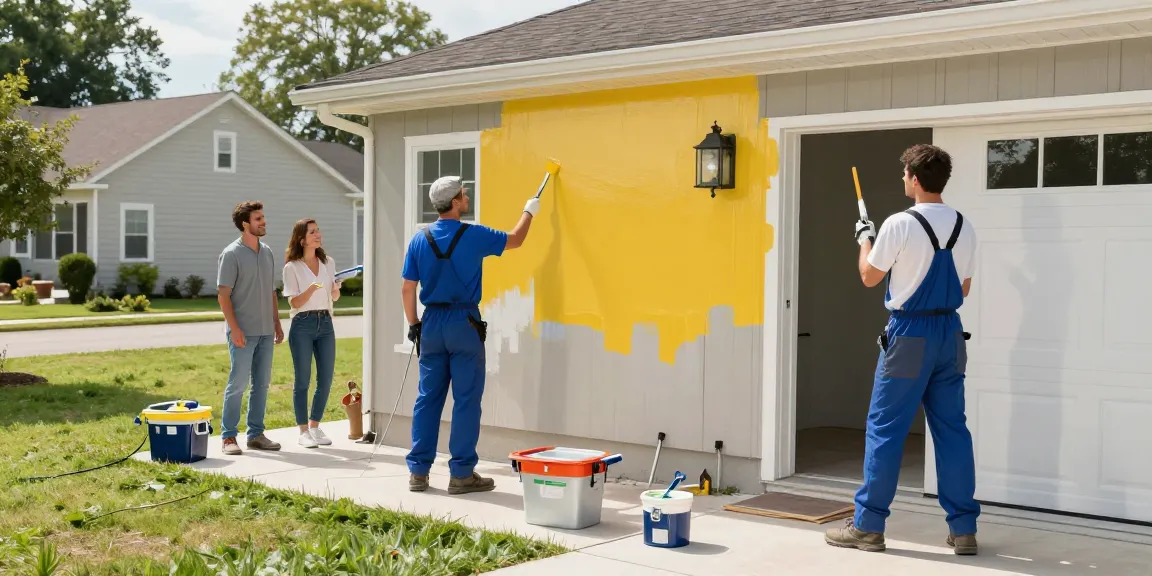
Understanding the Role of Texas Painting Contractors
When it comes to enhancing the aesthetic appeal of your home or business, Texas painting contractors play a pivotal role in transforming your spaces. These professionals are skilled artisans who specialize in a wide range of services, from interior and exterior painting to detailed finishes, and they bring a wealth of knowledge and experience to every project. Whether you are a homeowner looking to refresh your living space or a property manager seeking reliable service for commercial spaces, understanding the services offered by local contractors can significantly influence your decision-making process. When exploring options, Texas painting contractors provide comprehensive insights into meeting your specific needs.
What Services Do Texas Painting Contractors Offer?
Texas painting contractors offer a diverse array of services that are essential for both residential and commercial properties. Their offerings commonly include:
- Interior Painting: This involves painting walls, ceilings, and various architectural elements. Contractors often assist with color selection, ensuring the chosen palette enhances the overall ambiance.
- Exterior Painting: Protecting and beautifying the outer surfaces of buildings is crucial due to exposure to weather elements. Quality exterior paint not only improves curb appeal but also adds a layer of protection against moisture, UV rays, and more.
- Cabinet Refinishing: Updating kitchen cabinets without a full remodel can be done through refinishing or repainting, providing refreshment at a fraction of the cost.
- Popcorn Ceiling Removal: Many homeowners opt to remove outdated popcorn ceilings for a more modern look. This process can be labor-intensive and requires expertise.
- Brick Painting & Staining: Professional contractors apply quality paints and stains to masonry surfaces, ensuring durability in extreme Texas weather.
- Texture Painting: Adding texture to walls can create visual interest and depth. This includes techniques such as sponge painting or applying textured coatings.
- Drywall Repair: Cracks, holes, and surface imperfections can be skillfully repaired by contractors, restoring the integrity and appearance of your walls before painting.
- Deck & Fence Staining: Maintaining outdoor wooden structures requires staining with high-performance products to protect against rot and fading.
Essential Skills and Qualifications for Painters
To ensure that you are hiring capable professionals, it is important to understand the skills and qualifications that reputable Texas painting contractors should possess:
- Licensing and Insurance: Quality contractors are usually licensed and insured, providing a safety net for both parties. This ensures compliance with local regulations and protects you in case of damages or accidents.
- Experience and Expertise: A good contractor should have a substantial amount of experience in different types of painting projects. Look for professionals with a portfolio of previous work that reflects their skill.
- Attention to Detail: Successful contractors pay close attention to preparation and finishing details to achieve a high-quality result.
- Customer Service Skills: Open communication and responsiveness to client needs are critical for creating a smooth working relationship.
The Benefits of Hiring Local Painting Experts
Choosing local painting contractors comes with numerous advantages, particularly for residents in Texas. Local painters understand the unique challenges posed by the climate and architecture of the area. They also tend to be more accessible and familiar with local regulations, ensuring compliance and a smoother process. Moreover, hiring local experts fosters community relationships and supports the local economy, aligning with community values.
Choosing the Right Texas Painting Contractor for Your Project
Selecting the right contractor can make or break your painting project. Here are key factors to consider during your search:
Key Factors to Consider When Selecting a Contractor
1. Reputation: Researching contractor reviews and testimonials is essential. Positive feedback can indicate a reliable business.
2. Quality of Work: Assess the quality of their previous projects through portfolios or visual examples. A good contractor should have photographs of past jobs to showcase their work.
3. Written Estimates: Always request a detailed, written estimate that outlines the costs involved, including materials, labor, and any potential extra charges.
4. Warranty Information: Inquire about the kind of warranty they provide for their services. A good contractor should offer a guarantee on their work.
Assessing Contractor Reviews and Testimonials
Online review platforms, as well as personal testimonials, can offer crucial insight into a contractor's reliability, craftsmanship, and customer service. Look for trends in reviews, such as consistency in quality and responsiveness. Ask for references from recent customers to further validate their service quality.
Questions to Ask During Your Initial Consultation
To gauge a contractor’s capabilities, it is essential to ask pertinent questions during the consultation. Consider asking:
- What is your experience with projects of my scope and size?
- Can you provide references from past clients?
- What steps do you take to prepare the surfaces before painting?
- How do you handle unexpected issues that arise during the project?
- What is your projected timeline for completing this project?
Cost Breakdown: What to Expect from Your Painting Project
The cost of hiring a painting contractor will naturally vary based on the complexity and type of project. Here's a closer look at typical pricing:
Average Pricing for Residential and Commercial Painting Services
Residential painting costs roughly between $2 to $6 per square foot, while commercial projects typically range from $1.50 to $4 per square foot. Factors influencing these estimates include:
- The size and height of the building
- Type of paint selected
- Accessibility of work areas
- Condition of existing surfaces
Cost Factors: Materials, Labor, and Time
Understanding the breakdown of costs can help you budget effectively. Major components include:
- Materials: High-quality paint and supplies are typically more expensive, but they can lead to longer-lasting results.
- Labor: Skilled workers command higher wages, especially if the job requires specialized skills.
- Time: Lengthier projects may lead to higher overall costs; however, a quicker job could indicate lower quality work.
Understanding Estimates and Contracts
Before commencing work, ensure that you thoroughly understand the contract. The estimate should list:
- Labor and materials costs
- Start and end dates for the project
- Conditions that might alter the timeline or costs
- Payment terms and conditions
Licensing and Insurance: Ensuring Quality and Protection
When hiring painting contractors, checking for proper licensing and insurance is crucial in safeguarding your investment and ensuring quality service.
Why Licensing Matters for Texas Painting Contractors
Licensing indicates that a contractor is qualified to perform the work legally and adheres to local and state regulations. This helps ensure that you are getting a professional who understands the best practices in painting.
Insurance Types Needed for Painting Services
Two primary types of insurance are vital for painting contractors:
- Liability Insurance: This protects against damage or injuries occurring during the project.
- Worker’s Compensation: If a contractor's employee is injured on your property, this insurance protects you from liability.
Checking Credentials and Compliance with Local Laws
Before hiring a contractor, confirm their licensing status with local regulatory bodies. It is also beneficial to check for any past disputes or complaints against them.
Enhancing Your Experience with Texas Painting Contractors
Your experience with painting contractors can be significantly improved by being informed and prepared. Here’s how to make the most of your project:
What to Expect During the Painting Process
Once the project commences, it typically includes several stages, such as preparation, painting, and cleanup. Expect your contractor to:
- Prepare the work area by moving furniture and covering surfaces
- Set up protective coverings for floors and non-painted areas
- Communication throughout the process regarding any changes or challenges
Maintaining Open Communication with Your Contractor
Transparency is key in ensuring that your project runs smoothly. Regularly check in with your contractor, and feel free to address any concerns or ask questions that arise during the painting process.
After-Project Support and Warranty Information
After the completion of the project, reputable contractors often provide warranties on their work. Understand the terms of your warranty, including coverage period and how to file a claim if issues arise down the road.