Introduction to GHK-Cu KPV Blend
The GHK-Cu KPV blend is an innovative combination of peptides that has garnered growing interest in the fields of dermatology, regenerative medicine, and peptide research. GHK-Cu, a copper peptide, is known for its potent properties that stimulate collagen production and promote tissue repair, while KPV, a bioactive peptide, is celebrated for its anti-inflammatory effects. The synergy between these two components makes the GHK-Cu KPV blend an exciting area of study and application.
In this comprehensive article, we will delve into the individual components of this blend, their combined benefits, safe usage practices, and the future of GHK-Cu KPV research. For those keen to explore various applications and potential benefits, the GHK-Cu KPV blend offers a wealth of insights into peptide therapies.
What is GHK-Cu KPV Blend?
The GHK-Cu KPV blend comprises two powerful peptides: GHK-Cu and KPV. GHK-Cu, or Glycyl-L-Histidyl-L-Lysine Copper, is a naturally occurring tripeptide found in human plasma, known for its role in wound healing and tissue regeneration. It has been shown to activate a significant number of genes involved in tissue remodeling, enhancing collagen synthesis and reducing signs of aging.
KPV, on the other hand, is a peptide derived from the fragment of the beta-defensin family, and it exhibits remarkable anti-inflammatory properties. This peptide has been studied for its potential to modulate immune responses and support skin health. When combined, these peptides work synergistically to optimize their therapeutic effects.
Importance of GHK-Cu KPV in Research
The GHK-Cu KPV blend represents a frontier in peptide research, particularly within the realms of skin health and regenerative medicine. Research has indicated that GHK-Cu can activate up to 31% of human genes involved in tissue remodeling, which is pivotal for wound healing and skin repair.
Studying the effects of KPV demonstrates its capability in reducing inflammation, indicating its potential in treating various skin conditions and enhancing overall skin vitality. Together, these peptides could revolutionize approaches to age-related skin issues, chronic inflammation, and wound healing.
Common Uses and Applications
The applications of the GHK-Cu KPV blend extend across several domains, including:
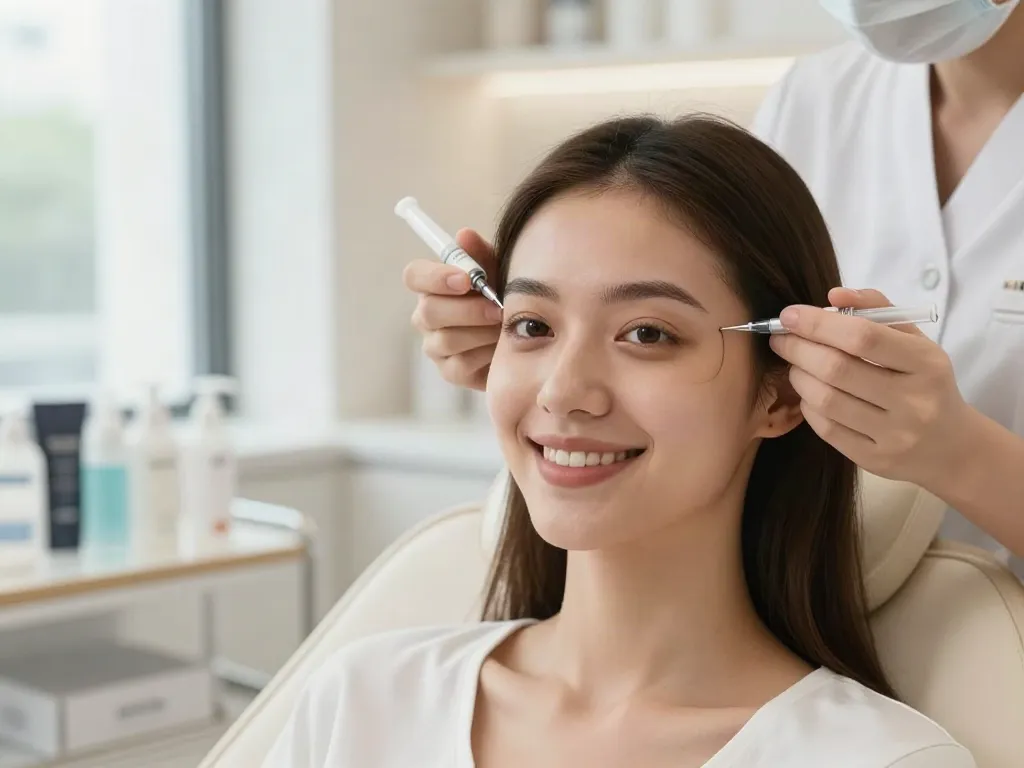
- Skincare: Utilized for its anti-aging properties, this blend can help improve skin elasticity, reduce wrinkles, and promote a more youthful appearance.
- Wound Healing: The regenerative properties of GHK-Cu, alongside the anti-inflammatory effects of KPV, make this blend a potential treatment for various wounds and skin injuries.
- Hair Restoration: Some studies suggest that GHK-Cu can enhance hair growth and thickness, making it a promising option for addressing hair loss.
- Regenerative Medicine: As research continues, the potential use of this peptide blend in deeper regenerative applications could be explored, particularly in tendon and cartilage repair.
Understanding the Components
Composition of GHK-Cu
GHK-Cu is composed of three amino acids: glycine, histidine, and lysine. The significant attribute of this peptide is its ability to bind to copper, which is essential for various biological processes. The presence of copper in GHK-Cu enhances its stability and efficacy, allowing it to function as a potent signaling molecule that activates cellular processes vital for healing and regeneration.
Studies have shown that GHK-Cu not only stimulates collagen and elastin synthesis but also promotes the production of glycosaminoglycans, which are crucial for maintaining the structural integrity of the skin.
Role of KPV in Peptide Blends
KPV (Lysine-Proline-Valine) is a peptide that plays a critical role in modulating inflammatory responses. It has been studied extensively for its effects on the skin, particularly in reducing irritation and promoting healing. By inhibiting pro-inflammatory cytokines, KPV helps create a balanced environment that supports skin regeneration.
Furthermore, KPV has shown efficacy in enhancing the absorption and effectiveness of other peptides when used in combination, making it a valuable addition to peptide therapies.
Benefits of Combining GHK-Cu and KPV
The combination of GHK-Cu and KPV yields numerous benefits:
- Enhanced Healing: Together, these peptides may expedite wound healing and tissue repair through their synergistic effects.
- Anti-Aging: The GHK-Cu KPV blend can effectively reduce fine lines, wrinkles, and other signs of skin aging.
- Improved Skin Clarity: Regular application may lead to improved skin tone and texture, as well as mitigation of redness and inflammation.
- Support for Hair Health: The blend may also support hair follicle function, potentially leading to increased hair density.
Research Methodologies for GHK-Cu KPV Blend
Preparation Techniques
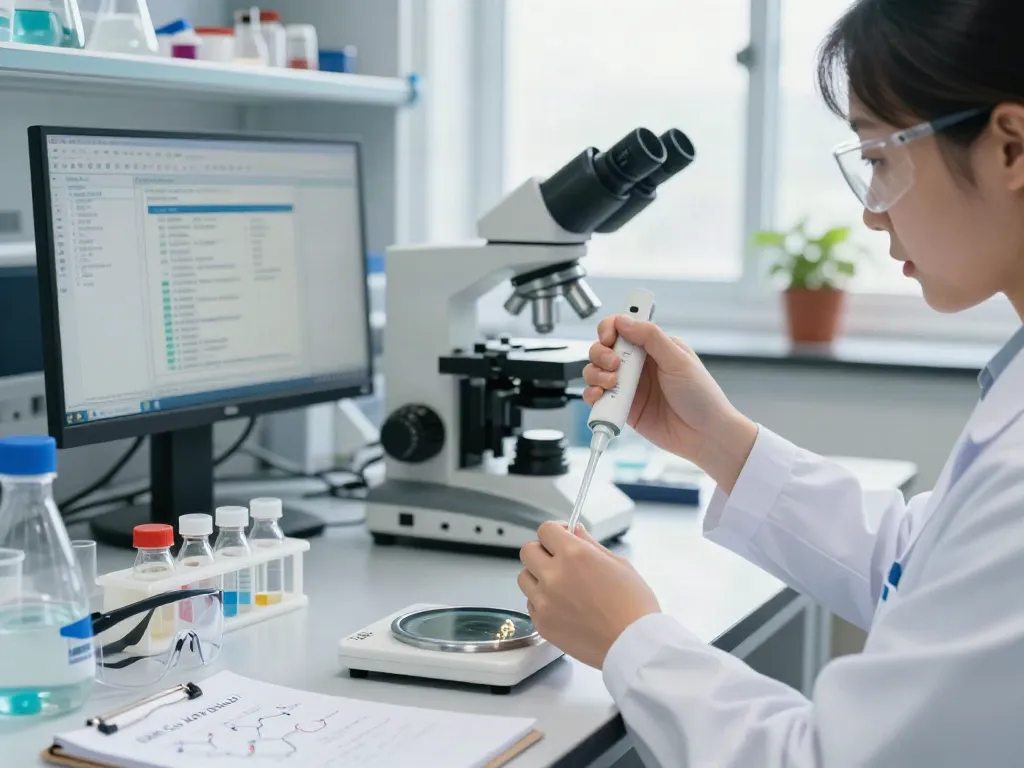
The preparation of the GHK-Cu KPV blend typically involves dissolving the peptides in a sterile solution, ensuring proper concentration and pH balance. This step is crucial for maintaining the stability and efficacy of the peptides during storage and application.
Researchers often employ lyophilization to preserve the integrity of the peptides, allowing for easy reconstitution before use.
Experimental Design and Planning
Studies regarding the GHK-Cu KPV blend require meticulous experimental design to assess its effectiveness and safety. This includes the selection of appropriate control groups, the determination of dosage and administration routes, and the evaluation of outcome measures relevant to skin health and regeneration.
Researchers must also consider long-term follow-up to assess the chronic effects and safety of these peptides in human applications.
Data Collection and Analysis
Data collection in studies on the GHK-Cu KPV blend typically involves both subjective assessments (e.g., participant surveys on skin quality and satisfaction) and objective measurements (e.g., skin biometry, histological analyses). Statistical analyses must be performed to ascertain the significance of the observed effects and to draw reliable conclusions from the data.
This rigorous approach is essential to establish evidence-based practices for the use of GHK-Cu KPV in clinical and cosmetic applications.
Best Practices for GHK-Cu KPV Usage
Handling and Storage Recommendations
Proper handling and storage of the GHK-Cu KPV blend are vital to ensure its efficacy. Peptides should be stored in a cool, dry place, away from direct sunlight. It's recommended to keep them in airtight containers to minimize exposure to moisture.
Once reconstituted, solutions should be used promptly and stored refrigerated to maintain their activity.
Dosage Guidelines and Administration
Dosage recommendations for the GHK-Cu KPV blend can vary based on the specific application. For topical use, concentrations of 1-5% are common, while injectable forms typically require precise dosing by a healthcare professional. It's crucial to adhere to established guidelines and consult with experts when determining the appropriate dosage for individual needs.
Safety Precautions and Considerations
While the GHK-Cu KPV blend is associated with numerous benefits, potential side effects may include localized irritation or allergic reactions. It is advisable to conduct a patch test before full application and to consult healthcare providers regarding any pre-existing conditions or concurrent medications that could interact with peptide treatments.
Future of GHK-Cu KPV Research
Emerging Trends in Peptide Research
The research landscape for peptides, especially combinations like GHK-Cu KPV, is rapidly evolving. With advancements in biotechnology and molecular studies, researchers are now able to explore new delivery mechanisms and potential applications beyond skincare, including their role in immunotherapy and chronic disease management.
Moreover, the integration of artificial intelligence in research methodologies is paving the way for more targeted and efficient studies, potentially accelerating the discovery of novel therapeutic applications.
Predictions for GHK-Cu KPV Applications in 2026
By 2026, the GHK-Cu KPV blend may see expanded applications, particularly in regenerative medicine. As more research validates its effectiveness, we might witness its integration into advanced therapeutic protocols for conditions such as chronic wounds, skin disorders, and even orthopedic injuries.
Furthermore, the cosmetic industry may fully embrace this peptide blend as a staple in anti-aging products, leveraging its scientifically-backed benefits to address the needs of aging populations.
Conclusion: The Path Forward in Research
The GHK-Cu KPV blend represents a significant advancement in peptide research, demonstrating promising applications across various fields. As our understanding of these peptides deepens, future studies will likely unveil even more profound benefits and novel uses. Continued research into the GHK-Cu KPV blend will not only enhance our knowledge but also provide actionable insights that could transform therapeutic practices in skincare and medicine.
What are the benefits of the GHK-Cu KPV Blend?
The benefits of the GHK-Cu KPV blend include enhanced skin healing, reduction in inflammation, improved elasticity, and support for hair health. It is commonly used in skincare for its anti-aging properties and potential for wound healing.
Who should not take KPV peptide?
Individuals with known allergies to peptides or those undergoing certain medical treatments should consult a healthcare professional before using KPV peptide. Pregnant or breastfeeding women should also seek medical advice before use.
What shouldn't you mix with GHK-Cu?
When using GHK-Cu, it is advised to avoid mixing with other peptides that may have contrasting mechanisms of action without professional guidance, as it could potentially diminish its effectiveness or cause adverse reactions.
What are the negative side effects of GHK-Cu?
Possible side effects of GHK-Cu include localized reactions such as redness or irritation. However, these occurrences are generally rare and often mild. Patients should always monitor their reactions when starting any new treatment.
How to optimize research with GHK-Cu KPV blend?
To optimize research with the GHK-Cu KPV blend, researchers should focus on well-designed clinical trials, robust data collection methodologies, and standardized dosing regimens. Collaborations across disciplines will also enhance the understanding and application of this peptide blend in various therapeutic areas.