
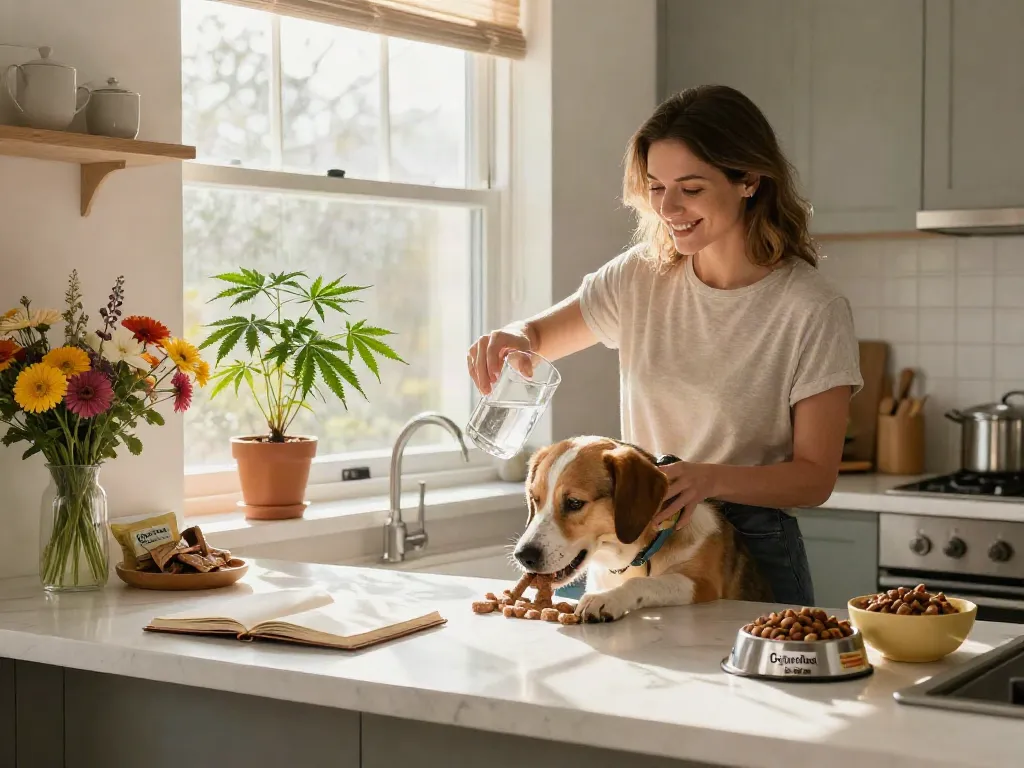
Understanding Your Dog's Stress and Anxiety
As pet owners, witnessing our furry friends in distress can be emotionally challenging. Dogs, much like humans, experience stress and anxiety which can manifest in various behaviors. Understanding the triggers and symptoms of these emotional responses is crucial for promoting overall wellness in our dogs. By utilizing tools such as Calming Dog Treats, we can assist in alleviating these stress responses, helping create a calmer home environment for everyone involved.
What Causes Stress in Dogs?
Stress in dogs can arise from a variety of sources, both internal and external. Common stressors include changes in the environment, loud noises (such as thunderstorms or fireworks), new experiences, and separation anxiety from their owners. Additionally, physical health issues can contribute to stress; therefore, it's important to monitor your dog's health alongside emotional well-being.
Common Signs of Anxiety in Dogs
Recognizing the signs of anxiety in dogs is essential for addressing their needs effectively. Symptoms may include:
- Pacing or restlessness
- Barking, whining, or howling
- Destructive behaviors, such as chewing furniture
- Excessive grooming or self-soothing
- Refusal to eat or changes in appetite
- Hiding or seeking excessive closeness
If your dog exhibits any of these behaviors, it might indicate their emotional state requires attention and care.
The Importance of Routine for Dog Wellbeing
Dogs thrive on routine. Establishing a consistent daily schedule can greatly reduce anxiety levels. Regular feeding, walking, and playtime create a sense of security for your pet. When disruptions occur, such as moving homes or unexpected noise, a reliable routine can help alleviate anxiety by providing predictability and comfort in their day-to-day lives.
How Calming Dog Treats Work
Calming Dog Treats function through a blend of ingredients aimed at promoting relaxation and emotional balance. This holistic approach recognizes that anxiety is a complex issue requiring multifaceted solutions. These treats offer nutritional support tailored to help manage stress while remaining safe and enjoyable for your pet.
Active Ingredients That Help Relax Your Dog
The primary ingredients in calming treats are carefully selected to work synergistically. Here are the active components typically found:
- Valerian Root (30mg) - Known for its sedative qualities, this herb helps ease nervous tension and promotes restful sleep.
- Lemon Balm (20mg) - This calming member of the mint family supports overall mood balance and helps alleviate restlessness.
- L-Theanine (20mg) - An amino acid that enhances relaxation without drowsiness, often utilized in calming supplements for its ability to support a tranquil state.
- L-Tryptophan (20mg) - Essential for serotonin production, this amino acid promotes emotional balance and well-being.
- Magnesium Citrate (10mg) - A crucial mineral that aids nerve and muscle function, magnesium plays a key role in reducing stress levels.
- Ashwagandha Root (10mg) - An adaptogen that helps the body adapt to stress over time, this root supports long-term emotional resilience.
This combination of ingredients can contribute to a calm demeanor and improved emotional stability for your dog.
Daily Feeding and Its Benefits
For optimal results, it is recommended to provide calming treats daily. This consistent intake allows the beneficial ingredients to accumulate in your dog's system, gradually enhancing their ability to manage stress. Many pet owners report noticeable improvements in behavior after a few weeks of daily feeding, making it crucial to establish a routine that includes these supportive supplements.
Comparing Calming Dog Treats to Other Solutions
When considering solutions for your dog's anxiety, it's essential to weigh the pros and cons of calming treats compared to other options. While medications prescribed by veterinarians can offer immediate relief, they often come with potential side effects and may not address the underlying causes of stress. On the other hand, calming treats provide a natural alternative without the risks associated with pharmaceuticals, although they might require more time to see noticeable effects.
Choosing the Right Calming Product for Your Dog
With numerous calming products available on the market, selecting the right one for your dog can be overwhelming. Understanding individual needs and preferences is key to finding a solution that works well.
HighV Calm & Relax vs. Other Calming Treats
HighV Calm & Relax Dog Treats distinguish themselves with a well-rounded formula containing multiple active ingredients at specified amounts. Unlike many other products that rely on a single active component, these treats offer a comprehensive approach to stress reduction, tailored for dogs with ongoing anxiety issues or those needing extra support during stressful situations.
Special Considerations for Puppies and Senior Dogs
Puppies and senior dogs may have different reactions to stress and anxiety. Puppies, while often more resilient, still benefit from calming support as they encounter new experiences that may induce anxiety. Conversely, senior dogs may require additional attention, as age-related changes can increase their susceptibility to stress. Always monitor your dog's reactions and consult your veterinarian when introducing new supplements.
Integrating Treats with Other Training Techniques
While calming treats can significantly aid in managing anxiety, they should be used in conjunction with behavioral training techniques. Reinforcing positive behaviors and providing a safe, structured environment will enhance the benefits of the treats, ensuring your dog feels secure and comfortable in their surroundings.
Feeding Guidelines and Best Practices
Using calming treats effectively involves understanding the correct dosage and feeding strategies aligned with your dog's needs. Establishing a routine will enhance the effects of these treats.
How to Properly Use Calming Dog Treats
Begin by feeding the recommended amount of calming treats alongside your dog's regular meals. For specific stress triggers, such as thunderstorms or car trips, administer the treats 1-2 hours beforehand to help your dog acclimatize to the situation. Regular consistent use helps build the cumulative effects, making it an integral part of their diet.
Safety and Dosage Recommendations
Always adhere to the recommended dosage guidelines provided by the manufacturer. This ensures your pet receives the benefits without exceeding the safe limits of the active ingredients. If your dog appears to react negatively or shows signs of distress, consult your veterinarian for guidance.
What to Do if Your Dog Eats Too Many Treats
In the event that your dog consumes more treats than the recommended amount, it's essential to monitor them closely for any unusual behaviors. While an extra treat or two might not cause harm, excessive consumption could lead to digestive upset. If significant issues arise, seek veterinary assistance promptly.
FAQs About Calming Dog Treats
Do Calming Dog Treats Actually Work?
Many dog owners report positive results after introducing calming treats into their dog's routine. However, it's important to remember that individual experiences may vary, and some dogs may require longer periods to see noticeable changes in behavior.
Can I Give Them Daily?
Yes, daily feeding of calming treats is encouraged. This allows the active ingredients to build up over time, enhancing their stress-relief potential and overall effectiveness.
Are They Safe for All Dogs?
Calming treats are generally safe for most dogs; however, it is advisable to consult with your veterinarian, especially if your pet has pre-existing health conditions or is on any medications. Always ensure that your pet does not have any allergies to the ingredients present in the treats.