Understanding Brain Tumor Surgery
Brain tumor surgery is a complex procedure aimed at removing tumors that can be either benign or malignant. The landscape of neurosurgery has evolved significantly over recent years, incorporating advanced techniques and technologies that enhance safety and effectiveness. Patients and their families often face daunting decisions and uncertainties when confronting a brain tumor diagnosis. Understanding the intricacies of brain tumor surgery is essential not only for making informed choices but also for preparing for the journey ahead. For detailed insights on beyin tümörü ameliyatı, we will explore various aspects, from the types of tumors to the recovery process.
What is Brain Tumor Surgery?
Brain tumor surgery involves the surgical removal of tumor tissues from the brain or surrounding areas. The surgical approach varies based on several factors, including tumor type, size, location, and the patient's overall health. Although brain tumors encompass a range of conditions, they typically require careful evaluation and planning to navigate the complexities involved in surgical intervention.
Types of Brain Tumors and Their Treatments
Brain tumors are classified into two main categories: primary and secondary. Primary tumors originate in the brain, while secondary tumors, or metastases, arise from cancerous cells that spread from other body parts. The most common primary brain tumors include:
- Meningiomas: Usually benign tumors arising from the protective tissue covering the brain.
- Gliomas: Tumors that develop from glial cells; they can be low-grade or high-grade, with glioblastoma multiforme being the most aggressive form.
- Acoustic neuromas: Benign tumors that can affect hearing and balance.
The treatment for brain tumors often combines surgery, radiation therapy, and chemotherapy. The choice of treatment depends heavily on the tumor type, location, and the patient's health status.
Preparing for the Surgery
Preoperative Assessments and Imaging
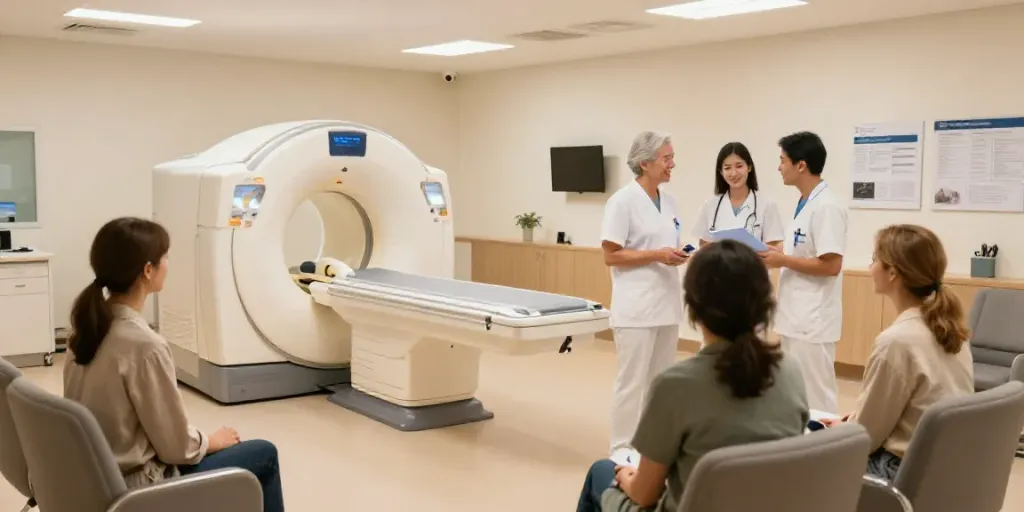
Before undergoing brain tumor surgery, patients will undergo comprehensive assessments. This typically includes a detailed medical history, neurological examinations, and imaging studies such as MRI or CT scans, which provide critical information regarding the tumor's characteristics and its impact on surrounding brain tissues. Preoperative imaging is essential for developing a personalized surgical plan tailored to the specific needs of the patient.
Patient Expectations and Surgical Risks
Understanding the potential risks associated with brain tumor surgery is crucial for patients and their families. Risks may include infection, bleeding, neurological deficits, and complications related to anesthesia. Surgeons often discuss these risks in detail and may use specific preoperative checklists to ensure that patients are well-prepared. Managing expectations helps reduce anxiety and facilitates a smoother surgical experience.
Preoperative Care and Preparation
Preoperative care often involves a multidisciplinary team approach. Patients may be required to stop certain medications, undergo imaging, and in some cases, stay in the hospital for monitoring. Additionally, patients may need to make home arrangements for their recovery period to ensure a supportive environment post-surgery.
The Surgical Process
Step-by-Step Overview of Brain Tumor Surgery
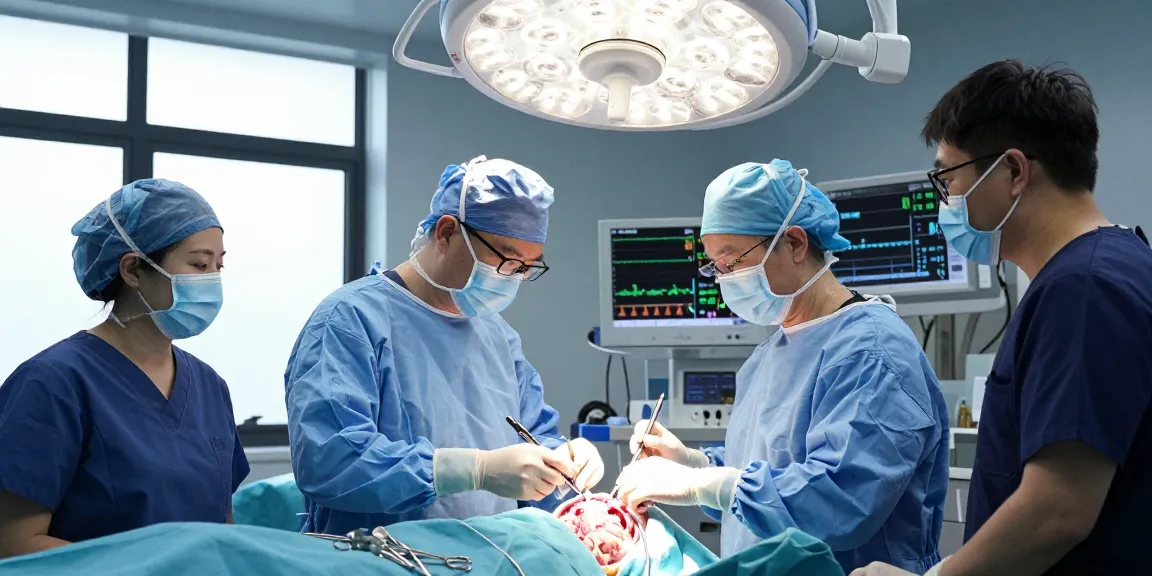
The surgical process typically begins with the patient receiving anesthesia, followed by positioning to ensure optimal access to the tumor. The surgeon makes a small incision in the scalp and creates a window in the skull, known as a craniotomy. Using advanced techniques, including neuronavigation and intraoperative imaging, the surgeon carefully removes the tumor while monitoring the surrounding brain structures to minimize damage.
Awake Brain Tumor Surgery Explained
Awake brain tumor surgery is an innovative technique used for tumors located in areas critical to speech or movement. This method involves keeping the patient awake during certain parts of the procedure, allowing for real-time feedback from the patient. This feedback helps the surgeon ensure that essential functions are preserved while removing as much of the tumor as possible.
Role of Technology in Surgical Success
The integration of technology has significantly improved surgical outcomes in brain tumor surgery. Advanced imaging techniques, such as functional MRI and diffusion tensor imaging, provide valuable insights into brain function and connectivity. Additionally, robotic-assisted systems and neuronavigation enhance precision, leading to safer, more effective surgeries.
Postoperative Care and Recovery
Immediate Care After Brain Tumor Surgery
Following surgery, patients are typically moved to the recovery unit for monitoring and stabilization. This initial phase is critical for assessing neurological status and managing any immediate complications. Vital signs are closely monitored, and pain management strategies are implemented to ensure patient comfort.
Long-term Recovery Strategies
The recovery process after brain tumor surgery can vary significantly depending on the individual and the complexity of the procedure. It often includes physical therapy, occupational therapy, and cognitive rehabilitation to assist patients in regaining their full functionality. Support groups and counseling are also recommended to address the emotional impact of brain surgery.
Monitoring for Possible Complications
Long-term follow-up is vital to monitor for tumor recurrence and manage any side effects from treatment. Regular imaging studies, neurological assessments, and patient education about warning signs are essential components of postoperative care. Early detection of complications can significantly enhance recovery outcomes.
Future Trends in Brain Tumor Surgery
Innovations and Advancements by 2026
Looking to the future, advancements in brain tumor surgery promise to enhance patient outcomes further. Innovations in surgical techniques, materials, and technologies are being developed, aiming to increase precision and reduce recovery times. Emerging therapies, such as targeted molecular therapies and immunotherapies, offer new hope for patients with complex brain tumors.
Patient-Centered Care Approaches
Patient-centered care is becoming increasingly important in brain tumor management. Engaging patients in their treatment decisions and respecting their preferences not only improves satisfaction but also encourages adherence to treatment plans. This holistic approach includes addressing the psychological and emotional needs of patients and their families.
Emerging Technologies and Their Impact
Emerging technologies such as artificial intelligence and machine learning are poised to revolutionize brain tumor surgery. By analyzing vast amounts of data, these technologies can assist in predicting patient outcomes, personalizing treatment plans, and improving surgical techniques. As these technologies evolve, they hold the potential to transform the landscape of neurosurgery permanently.
What should patients know before brain surgery?
Before undergoing brain surgery, patients should be informed about the procedure, including potential risks, benefits, and recovery expectations. Open communication with the surgical team can help alleviate concerns and empower patients to take an active role in their care.
How long does recovery take after brain tumor surgery?
Recovery duration can vary widely based on the type of surgery performed and the individual's health status. Generally, patients may spend several days in the hospital followed by weeks to months of rehabilitation.
What are the risks associated with brain tumor surgery?
Risks can include infection, bleeding, cognitive changes, and neurological deficits. These risks vary depending on the tumor location and the extent of the surgery.
What types of brain tumors are most commonly treated surgically?
Commonly treated brain tumors include meningiomas, gliomas, and acoustic neuromas, with the surgical approach tailored to the tumor type and patient circumstances.