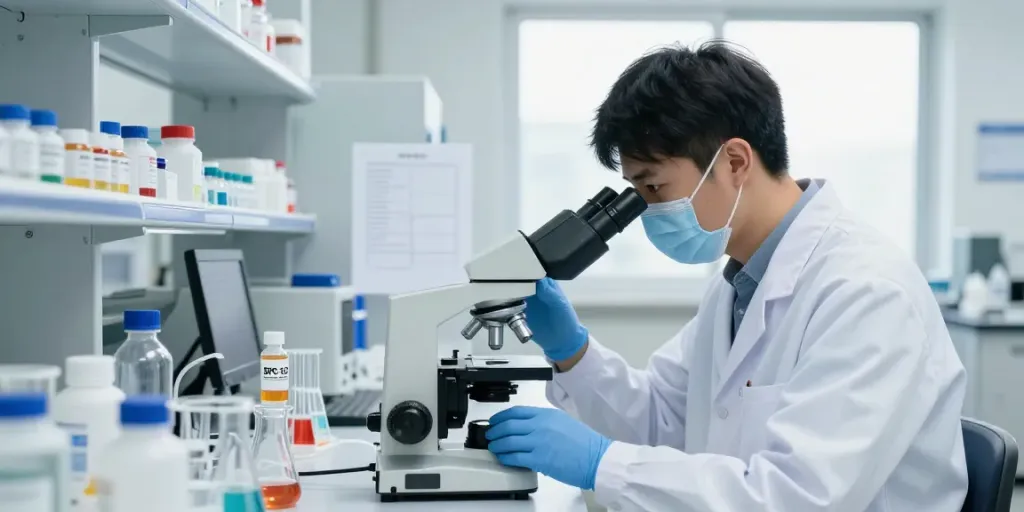
Understanding BPC-157: What You Need to Know
BPC-157, also known as Body Protection Compound-157, is a peptide that has garnered attention in the scientific community for its potential therapeutic applications. Initially isolated from human gastric juice, this peptide is notable for its ability to promote healing in a variety of tissues, making it a valuable tool in laboratory research. Researchers are increasingly looking for reliable sources to buy BPC-157 online due to its promising characteristics.
What is BPC-157 and Its Uses in Research?
BPC-157 is a peptide fragment that consists of 15 amino acids. It has been widely studied for its potential effects on healing, particularly in muscle and tendon recovery, as well as its role in reducing inflammation. Researchers are leveraging BPC-157 in various in-vitro studies to explore its efficacy in promoting cell survival and migration, which is crucial for tissue repair. Furthermore, its applications extend to investigating gut health, cognitive function, and even certain neurological conditions. Its multifaceted nature makes it a focal point in experimental settings, especially in understanding regenerative medicine.
Research-Grade Standards and Importance of Quality
The significance of quality in research-grade compounds like BPC-157 cannot be overstated. For scientists engaging in cutting-edge research, the purity and concentration of peptides are paramount. Consistent standards ensure that the results are reliable and replicable. Independent laboratory testing, including HPLC (High-Performance Liquid Chromatography) analysis, is vital for confirming the identity, concentration, and purity of each batch of BPC-157. As researchers invest time and resources into their experiments, it is essential that they are provided with products that meet rigorous quality standards.
Common Misconceptions About BPC-157
Despite its growing popularity, BPC-157 is often surrounded by misconceptions. A prevalent misunderstanding is that it can be used as a supplement for general health improvement or athletic performance enhancement. In reality, BPC-157 is intended strictly for laboratory research and is not approved for human consumption. Understanding these distinctions is crucial for researchers to ensure compliance with safety regulations and ethical guidelines in scientific investigation.
Where to Buy BPC-157 Online: The Essentials
As a researcher seeking high-quality peptides, knowing where to procure BPC-157 is essential. The marketplace is flooded with suppliers, each claiming to offer premium products, but distinguishing between them is critical for the integrity of your research.
Choosing Reputable Suppliers for BPC-157
The first step in sourcing BPC-157 is identifying reputable suppliers. Look for companies that provide transparent information about their manufacturing processes and have a strong reputation in the industry. Credible suppliers will typically showcase independent test results and certifications that validate their claims. Third-party testing should be standard practice, ensuring that each batch of BPC-157 meets the stated specifications for purity and potency. Always prioritize suppliers that adhere to stringent quality assurance protocols.
What to Look for in Quality Assurance and Testing
When evaluating suppliers, check for specific quality assurance practices. Essential aspects include:
- Certificate of Analysis (COA): Each batch should come with a COA, clearly outlining the compound's identity, purity level, and any contaminants tested.
- Testing Methods: Ask about the testing methods employed. HPLC and mass spectrometry are robust techniques that provide accurate assessments of purity.
- Endotoxin Testing: This testing ensures that the BPC-157 is safe for laboratory use by confirming the absence of harmful levels of endotoxins.
Understanding Pricing and Shipping Options
Pricing for BPC-157 can vary significantly based on the supplier’s reputation, testing rigor, and shipping policies. Generally, higher-quality products may come at a premium but are worth the investment for the accuracy and safety they provide in research. Additionally, consider shipping options and the supplier's ability to fulfill orders promptly. Suppliers that offer same-day shipping for orders placed before a certain cutoff time can be advantageous for researchers needing materials quickly.
The Benefits of Using BPC-157 for Laboratory Research
Employing BPC-157 in laboratory studies presents numerous advantages that can enhance research outcomes. Its ability to promote healing and modulate various biological processes holds promise for a range of applications.
Applications in In-Vitro Studies
BPC-157 has shown remarkable potential in in-vitro studies, particularly for wound healing and regeneration. Researchers have utilized it to stimulate the proliferation of fibroblasts, which are key players in tissue repair. Additionally, studies indicate that BPC-157 may enhance angiogenesis—the formation of new blood vessels—which is critical in recovery processes for damaged tissues.
Impact on Research Outcomes and Data Integrity
Utilizing high-purity BPC-157 can significantly impact the reliability of research data. Inconsistencies in compound quality can lead to variable research outcomes that compromise the integrity of experiments. By using rigorously tested and verified batches of BPC-157, researchers can trust that their findings will be both replicable and reliable, fostering confidence in their conclusions.
Case Studies on BPC-157 Effectiveness
Several case studies have demonstrated the effectiveness of BPC-157 in various research contexts. One study highlighted its ability to promote healing in ligaments, showcasing substantial improvements in recovery times. Another case focused on its effects on intestinal healing, indicating that BPC-157 could mitigate damage caused by various gastrointestinal disorders. These real-world applications underscore the significance of thorough research using quality compounds.
Best Practices for Handling and Storing BPC-157
To ensure the stability and effectiveness of BPC-157, it is essential to follow best practices for handling and storage. Researchers must adhere to safety protocols to maintain the integrity of their compounds and protect personnel in the laboratory.
Laboratory Safety Protocols for Research Chemicals
When working with BPC-157, it is crucial to implement stringent laboratory safety protocols. This includes wearing appropriate personal protective equipment (PPE), such as gloves and lab coats, and ensuring that all procedures are performed within a designated biosafety cabinet. Familiarity with emergency protocols and proper disposal methods for research chemicals is essential for maintaining a safe laboratory environment.
Storage Conditions to Maintain Stability
Proper storage conditions are vital to preserve the stability of BPC-157. It should be stored in a cool, dry place, away from direct sunlight and moisture. Many peptides are sensitive to temperature fluctuations, so refrigeration may be necessary to prolong its shelf life. Always check the supplier's specifications for specific storage guidelines to ensure optimal preservation.
Documentation and Compliance for Researchers
Accurate documentation is essential for compliance and tracking the use of research chemicals like BPC-157. Researchers should maintain detailed records of all compounds used, including batch numbers, expiration dates, and results from any quality tests performed. This documentation not only aids in ensuring compliance with regulatory standards but also facilitates reproducibility in research findings.
Future Trends in Research Peptides and BPC-157
As the field of peptide research continues to evolve, several trends point toward exciting developments regarding BPC-157 and similar compounds. Understanding these trends can help researchers stay ahead in their investigative pursuits.
Emerging Research Applications for BPC-157
Research into BPC-157’s mechanisms of action is ongoing, with potential new applications emerging in areas such as neuroprotection and metabolic health. As scientists further elucidate its biological effects, they may discover additional therapeutic uses that extend beyond traditional healing processes, paving the way for innovative treatments.
Innovations in Testing and Verification
The advent of more sophisticated testing methods promises to enhance the verification process for research peptides like BPC-157. Innovations in bioanalytical techniques could lead to more accurate assessments of peptide quality, thereby increasing confidence in research outcomes. Enhanced verification protocols will be crucial as the demand for high-quality compounds continues to rise.
Predicted Developments in the Field by 2026
By 2026, advancements in peptide synthesis and purification techniques are likely to further revolutionize the availability and quality of compounds like BPC-157. The integration of automation in peptide synthesis could streamline production processes, leading to faster delivery times and lower costs. Moreover, the focus on ethical research practices will likely shape regulatory frameworks, ensuring that researchers have reliable access to high-quality materials while maintaining compliance with evolving standards.
What are the Potential Risks of Using BPC-157?
While BPC-157 holds great promise for research, it is important to acknowledge the potential risks associated with its use. Variability in product quality can pose a threat to research integrity, leading to misleading conclusions. Additionally, improper handling and storage can degrade peptide quality, further complicating research outcomes. Researchers must stay informed about best practices and regulatory guidelines to mitigate these risks effectively.
Can BPC-157 Be Used for Human Consumption?
BPC-157 is strictly intended for laboratory research and should not be used for human or animal consumption. Its initial design was for scientific investigation, and there is limited data on its safety in clinical applications. Researchers must respect legal and ethical boundaries regarding its use and ensure that they operate within the guidelines established for research chemicals.
How to Spot Fake Research Chemicals?
Detecting counterfeit research chemicals, including BPC-157, is crucial for reliable research. Key indicators of authenticity include:
- Verified Lab Testing: Always check for third-party lab test results that confirm the compound's quality.
- Supplier Reputation: Research suppliers and look for reviews and testimonials from other researchers.
- Documentation: Ensure that suppliers provide comprehensive documentation, including COA and storage recommendations.
By implementing these checks, researchers can discern between legitimate products and counterfeit alternatives, safeguarding the integrity of their work.