Understanding IEC Connectors
In today's interconnected world, the demand for reliable electrical connectivity is paramount, especially as industries strive for efficiency and safety. Among the various components that facilitate this connectivity, IEC connectors stand out as a critical element in many applications. Produced according to strict safety and performance standards set by the International Electrotechnical Commission, these connectors are essential to both the consumer and industrial electrical landscapes. As an IEC connector manufacturer, our commitment to delivering high-quality and compliant products means that we meet the rigorous demands of a diverse range of sectors.
What Are IEC Connectors?
IEC connectors are standardized electrical connectors defined by the International Electrotechnical Commission. Primarily used to connect power supply cables to electrical appliances, these connectors ensure safe and reliable transmission of electrical energy. They are designed to work with devices that operate on an alternating current (AC) voltage up to 250 volts and a maximum current of 16 amperes. The most common types of IEC connectors include the IEC 60320 C13 and C14 connectors, often seen in computer and peripheral power connections.
Types of IEC Connectors
IEC connectors are classified into several types based on their applications and design specifics. The most common types include:
- IEC 60320 C13 and C14: Widely used in computers and office equipment.
- IEC 60320 C15 and C16: Designed for appliances that require higher temperatures.
- IEC 60320 C19 and C20: Suited for high-capacity equipment such as servers.
- IEC 60320 C7 and C8: Common in smaller appliances like radios and portable devices.
Each type has a unique configuration that allows for specific applications and ensures compatibility with various electrical devices.
Applications of IEC Connectors in Various Industries
IEC connectors are versatile and find applications across multiple industries. In the consumer electronics sector, they connect power to devices such as computers, televisions, and audio equipment. In industrial settings, IEC connectors link machinery and equipment, facilitating smooth operations in manufacturing and automation processes. Additionally, the medical industry relies on IEC connectors to ensure the safe operation of critical healthcare devices. Their reliable construction minimizes downtime and enhances safety, making them indispensable in high-stakes environments.
The Role of an IEC Connector Manufacturer
IEC connector manufacturers play a pivotal role in ensuring that the connectors supplied meet both safety and performance standards. These manufacturers are responsible for the design, production, and quality assurance of IEC connectors, thereby directly influencing the reliability of the end products used in various applications.
Key Functions of IEC Connector Manufacturers
The primary functions of an IEC connector manufacturer include:
- Design and Engineering: Creating innovative designs that adhere to IEC standards.
- Production: Using advanced manufacturing processes to produce connectors at scale.
- Quality Assurance: Implementing stringent testing procedures to ensure all products meet required certifications.
By executing these functions effectively, manufacturers can provide high-quality products that enhance the safety and efficiency of electrical connections.
Importance of ISO and UL Certifications in Manufacturing
For an IEC connector manufacturer, compliance with international standards such as ISO and UL is crucial. ISO certification ensures that the manufacturing processes are efficient and that the products consistently meet quality standards. UL certification guarantees that the connectors have been tested for safety and performance, which is key for customer confidence and market acceptance.
Quality Control Processes in IEC Connector Production
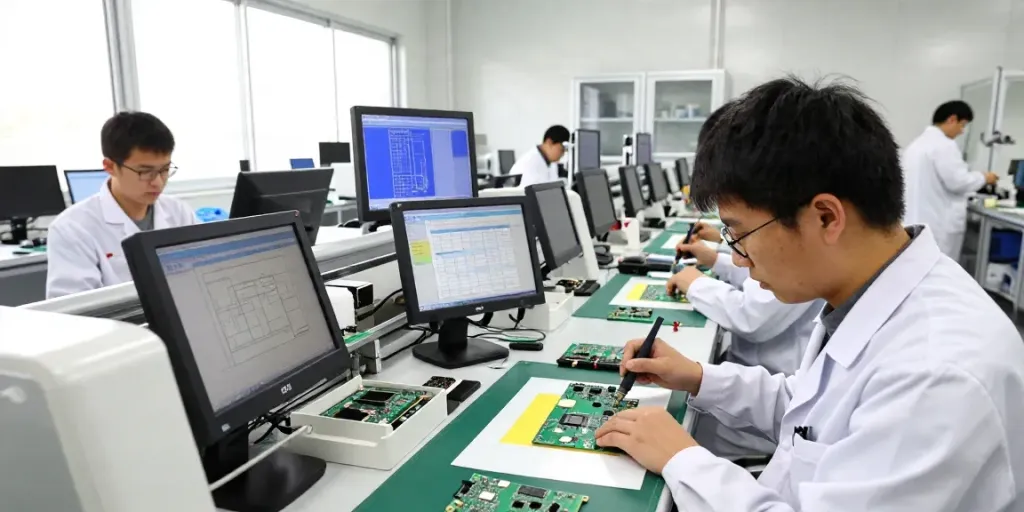
Robust quality control processes are essential in the production of IEC connectors. Manufacturers implement in-process inspections and final testing to ensure products meet specifications. This includes examining the materials used, assessing the manufacturing procedures, and conducting extensive testing on the completed connectors. By maintaining high-quality standards, manufacturers can reduce defects and improve the performance of their products in real-world applications.
Industry-Specific Solutions
The versatility of IEC connectors allows for tailored solutions across various sectors, accommodating the specific needs and challenges faced by different industries.
IEC Connectors for Industrial Automation
In the realm of industrial automation, IEC connectors are vital for the reliable operation of machinery and control systems. They facilitate quick and secure connections, allowing for efficient operations and maintenance in settings like manufacturing plants and assembly lines. The use of robust materials ensures durability in demanding environments, where exposure to dust, moisture, and temperature fluctuations can pose risks.
Custom Solutions for OEM Applications
Original Equipment Manufacturers (OEMs) often require customized solutions to fit unique specifications for their products. As a leading IEC connector manufacturer, we offer tailored designs that can include custom cable lengths, connector configurations, and unique specifications. This flexibility allows OEMs to enhance their product offerings while maintaining consistency and safety standards.
Market Trends in IEC Connectors for 2026
As we look ahead to 2026, several trends are emerging in the IEC connector market. The increasing demand for energy-efficient products and the growth of smart technology are driving innovation in connector designs. Furthermore, the ongoing transition to renewable energy sources is likely to influence the types and specifications of connectors needed in various applications. Manufacturers are focusing on developing connectors that not only meet current standards but also anticipate future demands.
Challenges Faced by IEC Connector Manufacturers
Despite the burgeoning demand for IEC connectors, manufacturers face several challenges that can affect production efficiency and product quality.
Common Production Challenges in Connector Manufacturing
Manufacturers often encounter challenges such as supply chain disruptions, fluctuations in raw material costs, and the need for continuous innovation. These challenges can lead to delays in production schedules and affect the ability to meet customer demand.
Mitigating Risks in Quality Assurance
Ensuring high-quality products is essential, yet manufacturers must navigate risks associated with quality assurance. This includes sourcing reliable materials, conducting rigorous testing, and adhering to strict industry standards. Developing a comprehensive quality management system can help mitigate these risks and ensure consistent product performance.
Adapting to Rapid Technological Changes
The pace of technological advancement presents another challenge for IEC connector manufacturers. The rise of new applications, such as electric vehicles and smart home technology, necessitates continual adaptation of connector designs and functionalities. Manufacturers must remain agile and invest in research and development to keep pace with these changes.
Future of IEC Connectors and Manufacturing
The future of IEC connectors is exciting, with advancements poised to transform the industry landscape in the coming years.
Innovative Technologies in Connector Manufacturing
Emerging technologies such as automation and smart manufacturing processes are set to revolutionize the way connectors are produced. Incorporating AI and machine learning can enhance efficiency, accuracy, and speed throughout the manufacturing process. These innovations will also facilitate better quality control and reduce human error.
Emerging Trends in Electrical Connectivity
As the demand for connectivity grows, the trend toward miniaturization of connectors is gaining momentum. Smaller and more efficient connectors will be required in compact devices while maintaining robust performance. Additionally, the integration of IoT technology into connectors will enable smarter connections that can communicate status and functionality.
Predictions for the IEC Connector Industry by 2030
By 2030, the IEC connector industry is likely to see further advancements in sustainability and energy efficiency. The push for greener technology will drive the development of connectors that can handle higher power loads while minimizing energy loss. As industries continue to evolve, manufacturers will need to anticipate and adapt to these changes to remain competitive.
What Are the Top 5 Connector Companies?
The top connector companies vary based on market share, innovative capabilities, and product variety. Notable names in the industry include TE Connectivity, Amphenol, Molex, Harting, and Hirose Electric. Each company distinguishes itself through unique product lines and global manufacturing capabilities.
What is an IEC connector?
An IEC connector is a standardized power connector defined by the International Electrotechnical Commission, primarily used for electrical appliances and equipment to ensure a safe and reliable power supply.
Who is the largest connector company in the world?
TE Connectivity is often regarded as one of the largest connector companies globally, known for its extensive product offerings and strong presence across various markets.
Who are the manufacturers of military connectors?
Manufacturers that specialize in military connectors include TE Connectivity, Amphenol, and Molex, among others. These companies produce connectors designed to withstand harsh environments and meet strict military specifications.