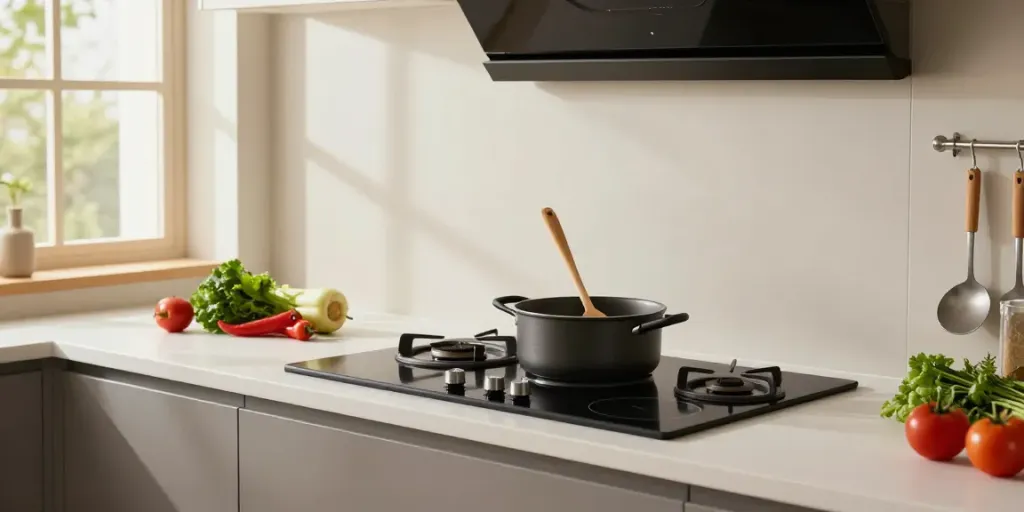
Understanding Extractor Hobs
In the modern kitchen, efficiency and functionality are paramount. This is where extractor hobs come into play, combining the classic cooking surface with advanced ventilation technology. Designed to draw away smoke and odors right at the source, extractor hobs are becoming increasingly popular among homeowners. When exploring options, extractor hob models offer innovative designs that can transform the cooking experience.
What is an Extractor Hob?
An extractor hob, also known as a venting or downdraft hob, is a kitchen appliance that integrates an induction cooking surface with a built-in extractor fan. This design allows for the immediate extraction of steam, smoke, and cooking odors directly from the cooking area, improving air quality and reducing the need for separate ventilation systems. By eliminating the distance between the cooking process and the extraction point, these hobs provide a more effective cooking environment.
Types of Extractor Hobs
Extractor hobs can be broadly classified into two categories: ducted and recirculating. Ducted extractor hobs draw air outside the home, requiring ductwork to vent unpleasant odors and smoke externally. On the other hand, recirculating extractor hobs filter the air through charcoal filters and then send it back into the kitchen, making them an ideal choice for apartments or homes that cannot accommodate extensive ductwork. Understanding the differences will help you choose the right model for your cooking needs.
Benefits of Using an Extractor Hob
- Improved Air Quality: Continuous extraction ensures that cooking odors, smoke, and steam are effectively removed, contributing to a healthier kitchen environment.
- Space Efficiency: Combining a cooktop and extractor saves valuable kitchen space, making it easier to design your kitchen layout.
- Stylish Design: Many models feature sleek designs that fit contemporary kitchen aesthetics, enhancing the overall look of the space.
- Energy Efficiency: Modern extractor hobs are engineered to consume less energy while providing optimal performance, which can lead to lower utility bills.
Top Features to Look For
Design and Aesthetics
The design of extractor hobs can significantly impact the kitchen's overall look. Many modern models come with a minimalist aesthetic, utilizing glass and stainless steel finishes that not only complement but elevate your kitchen design. When selecting an extractor hob, consider how its appearance fits with your existing decor and personal style.
Performance Metrics
Performance is a crucial consideration when selecting an extractor hob. Pay attention to the extraction rate, typically measured in cubic meters per hour (m³/h). Options with higher extraction rates are better suited for heavy cooking. Additionally, look for features such as adjustable fan speeds, which allow for optimal control during cooking.
Energy Efficiency Ratings
Energy efficiency is an important attribute of any modern kitchen appliance. Always check the energy classification of your extractor hob. Models with higher ratings consume less energy without compromising on performance, which is beneficial for both your wallet and the planet.
Comparing Popular Models
39cm vs 59cm Extractor Hobs
When deciding between a compact 39cm model and a larger 59cm extractor hob, consider your cooking habits and kitchen size. The 39cm model is perfect for smaller kitchens or for users who primarily cook for one or two people. In contrast, the 59cm model is better suited for families or individuals who entertain frequently and require more cooking surface area.
830mm Models: Who Needs Them?
The 830mm extractor hobs are designed for those with spacious kitchens and extensive cooking needs. These models typically offer multiple cooking zones and features that cater to elaborate meal preparations. Opting for an 830mm hob ensures that you have enough space for various cooking techniques, from stir-frying to boiling.
Features of the CIARRA ONE Series
The CIARRA ONE series has gained acclaim for its innovative design and advanced functionality. Models such as the CBBEH834BBFF-OW and CBBEH594BBFF-OW not only provide efficient extraction capabilities but also include programmable cooking functions, smart connectivity, and high energy efficiency, making them a top choice for modern kitchens.
Installation and Maintenance
Extractor Hob Installation Process
Installing an extractor hob requires careful planning and consideration. Begin by ensuring that the appliance fits within the designated countertop space. For ducted models, professional installation may be necessary to ensure that the ductwork is adequately set up. If opting for a recirculating model, installation is generally simpler, but proper filter maintenance is essential for optimal performance.
Regular Maintenance Tips
To keep your extractor hob functioning optimally, regular maintenance is crucial. Clean the surface after each use to prevent residue build-up. Filters should be checked periodically; charcoal filters typically need replacement every six months, while metal filters can often be washed in the dishwasher. Staying on top of these maintenance tasks will extend the life of your extractor hob.
Common Installation Pitfalls
One common pitfall during installation is improper sealing, which can lead to leaks and reduced efficiency. Additionally, neglecting to account for adequate clearance space around the extractor can hinder airflow and effectiveness. Always refer to the manufacturer's guidelines during installation to circumvent these issues.
Future Trends in Cooking Technology
Smart Features in Cooking Appliances
The rise of smart technology in the kitchen is transforming how we cook. Innovative features such as app-controlled hobs allow users to monitor cooking times and temperatures remotely. Some models even offer voice control through smart home systems, providing an unprecedented level of convenience.
Innovations in Ventilation Technology
Ventilation technology is evolving, with new models incorporating improved fan designs that operate more quietly while maximizing extraction efficiency. Additionally, features like integrated sensors can automatically adjust fan speed based on the amount of heat detected, enhancing both usability and efficiency.
What to Expect in 2026 and Beyond
Looking ahead, we can expect further integration of AI and machine learning in cooking appliances. Future extractor hobs may come with predictive cooking features that suggest optimal settings based on the dish being prepared. Additionally, energy regulations are likely to push for even greater efficiency standards, making next-generation extractor hobs not only smarter but also more environmentally friendly.
Are hobs with extractors any good?
Yes, hobs with built-in extractors provide numerous advantages, from improving kitchen air quality to saving space. They are particularly beneficial in open-plan layouts where odors can linger if not effectively managed.
Do extractor fans in hobs work?
Extractor fans in hobs are highly effective, primarily because they operate directly above the cooking area, ensuring that steam and odors are captured quickly before they can disperse throughout the kitchen.
What is a venting hob?
A venting hob is an extractor hob that includes an integrated ventilation system, allowing for the extraction of smoke and cooking odors as they are produced, thereby enhancing kitchen comfort.
What is the difference between a hob and a hood?
A hob is a cooking surface, while a hood is a ventilation system mounted above the cooking area. A hob with an integrated extractor combines both functions into one appliance.
How to choose the right extractor hob for your kitchen?
Consider factors such as kitchen size, cooking habits, and design preferences when selecting an extractor hob. Assess the available space for installation and prioritize models that best align with your cooking style, whether it be a compact 39cm model or a spacious 830mm unit.