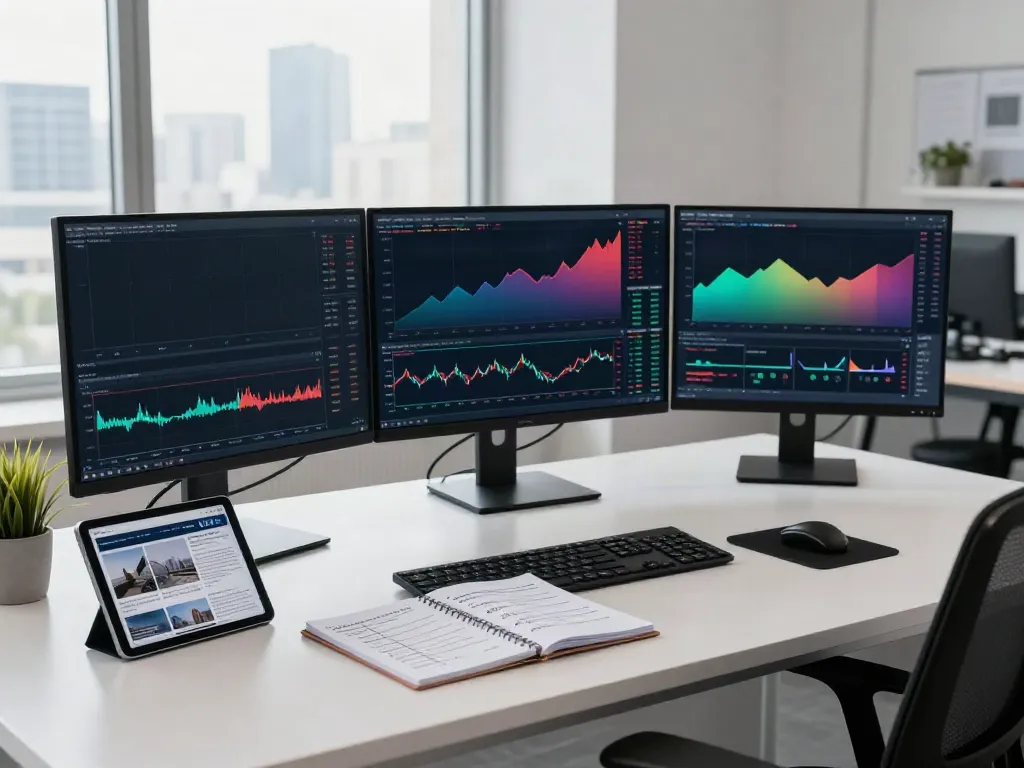
Understanding TradingView: A Powerful Tool for Traders
In the fast-paced world of trading, having the right tools can make a significant difference between success and failure. TradingView stands out as one of the most versatile trading platforms available today, enabling traders and investors to analyze financial markets with unprecedented ease and precision. With an extensive range of features, a user-friendly interface, and an active community, TradingView is designed to cater to both seasoned professionals and beginners alike. This article will explore the multifaceted world of TradingView, from its core functionalities to advanced trading strategies that can be employed to maximize your investment potential.
What is TradingView and How Does it Work?
TradingView is an online platform that combines advanced charting capabilities with social networking features. Originating as a tool for creating financial charts, it has evolved into a comprehensive resource for traders of all levels. Users can track various markets, share trading ideas, and engage in discussions, making it not just a tool, but also a community.
The platform supports the analysis of a wide variety of assets, including stocks, forex, cryptocurrencies, and commodities. With its cloud-based service, traders can access their portfolios and trading tools from any device, whether it be a desktop, tablet, or mobile phone. The intuitive interface allows users to customize their charts and utilize various analytical tools effectively.
Key Features of TradingView Every Trader Should Utilize
- Advanced Charting Tools: TradingView offers a plethora of chart types, including candlestick, line, and volume charts, allowing users to visualize market data effectively.
- Technical Indicators: The platform comes with hundreds of built-in indicators, as well as the capability to create custom indicators using Pine Script.
- Social Networking: Users can follow other traders, share trading ideas, and join public discussions to learn from each other's experiences.
- Custom Alerts: Traders can set up alerts based on specific price movements or indicator changes, ensuring they never miss critical trading opportunities.
- Market Analysis Tools: Users can access economic calendars, earnings reports, and news feeds directly within the platform, facilitating comprehensive market analysis.
Benefits of Using TradingView for Market Analysis
Utilizing TradingView for market analysis provides numerous advantages. The most significant benefit is the ability to access a wealth of information and community-driven insights. Traders can quickly identify trends and patterns, analyze historical data, and collaborate with others to refine their strategies. Furthermore, its cloud-based nature ensures that all analyses and settings are saved and accessible from any device, enhancing the flexibility of trading.
Moreover, TradingView's real-time data feeds ensure that users receive the latest market information instantaneously, which is crucial for making timely trading decisions. The blend of advanced tools and a supportive community contributes to a more informed and strategic trading approach.
Setting Up Your TradingView Account
Creating Your TradingView Profile: A Step-by-Step Guide
Setting up a TradingView account is a straightforward process. Follow these steps to get started:
- Visit the TradingView website and click on the "Join for Free" button.
- Provide your email address and create a password, or sign up via social media accounts like Facebook or Google.
- Verify your email address by clicking on the confirmation link sent to your inbox.
- Log in to your TradingView account and complete your profile by adding any relevant information.
Customizing Your Workspace: Essential Settings and Preferences
Once your account is set up, customizing your workspace will enhance your trading experience. Here are some key aspects to consider:
- Layout Configuration: Choose how many charts you want to view simultaneously. TradingView allows you to set up multiple charts side by side.
- Theme Selection: Opt for a light or dark theme based on your preference for visual comfort during long trading sessions.
- Toolbars and Panels: Customize which tools appear in your toolbar and arrange panels for quick access to your favorite features.
Integrating TradingView with Other Trading Platforms
TradingView also allows users to integrate with various brokerage accounts, enhancing the trading experience. By connecting your TradingView account with platforms like OANDA, Forex.com, and others, you can execute trades directly from the TradingView interface. This integration streamlines the trading process, eliminating the need to switch between multiple applications.
Mastering Charting Techniques on TradingView
Different Chart Types Available on TradingView
Understanding different chart types is crucial for effective analysis. TradingView offers several chart types, including:
- Candlestick Charts: These are the most popular among traders for displaying price movements over a specific time frame.
- Bar Charts: Similar to candlestick charts but show open, high, low, and close prices as vertical bars.
- Line Charts: Useful for visualizing trends, line charts connect closing prices over time.
- Heikin-Ashi: A smoother version of candlestick charts that helps identify trends more easily.
Using Technical Indicators to Enhance Your Analysis
TradingView comes packed with numerous technical indicators that can assist traders in making informed decisions. Some notable indicators include:
- Moving Averages: Help smooth price data to identify trends over various periods.
- Relative Strength Index (RSI): Measures the speed and change of price movements to determine overbought or oversold conditions.
- Bollinger Bands: Provide a relative definition of high and low prices, allowing traders to assess volatility.
Building Custom Indicators with Pine Script
Advanced users can create personalized indicators using the Pine Script programming language, which is specifically designed for TradingView. This feature allows traders to develop tailored strategies, automate trading tasks, and refine their analysis techniques. By learning Pine Script, you can unlock the full potential of TradingView’s capabilities and create unique indicators that suit your trading style.
Engaging with the Trading Community on TradingView
How to Follow Other Traders and Gain Insights
One of the unique aspects of TradingView is its robust community. To leverage this feature, users can follow other traders and view their published ideas and analyses. By engaging with successful traders, you can gain new perspectives, strategies, and insights that can enhance your trading skills.
Sharing Your Ideas: Publishing and Collaborating in TradingView
Publishing your analysis or trading ideas on TradingView not only contributes to the community but also enhances your credibility as a trader. By sharing your thoughts, you open yourself to constructive feedback and collaboration, which can lead to improved trading strategies and techniques.
Participating in TradingView Public Chats and Discussions
Public chats on TradingView serve as informal forums where traders can discuss various topics, share tips, and ask for advice. Participating in these discussions can help broaden your knowledge and connect you with like-minded individuals who share your passion for trading.
Future Trends: What to Expect from TradingView in 2026 and Beyond
Emerging Features and Enhancements in TradingView
As the trading landscape evolves, TradingView continually seeks to innovate and enhance user experience. Future updates may include more advanced charting tools, AI-driven market insights, and expanded integration with additional trading platforms. Keeping an eye on these enhancements can help traders stay ahead of the curve.
Impact of AI and Machine Learning on Trading Analysis
With AI’s growing influence in various industries, its integration into trading platforms like TradingView is inevitable. Expect to see features that utilize machine learning to analyze market trends, optimize trading strategies, and provide personalized recommendations based on user behavior and preferences.
Preparing for Changes in Market Dynamics and User Needs
The financial market is highly dynamic, and so are the needs of its participants. TradingView will likely adapt by developing features that cater to emerging markets, new trading strategies, and the preferences of a diverse range of users. Embracing these changes will ensure that traders can maintain their competitive edge.
What makes TradingView unique compared to other platforms?
TradingView's unique integration of advanced charting tools, real-time data, and a vibrant community sets it apart from other trading platforms. The ability to view and interact with other traders' analyses in real-time adds a collaborative aspect that enhances the overall trading experience.
How can beginners leverage TradingView for successful trading?
Beginners can take advantage of TradingView's extensive educational resources, such as tutorials and community discussions, to build their knowledge base. By exploring different features and engaging with experienced traders, beginners can develop their trading strategies and grow their confidence in the market.
What are common mistakes to avoid while using TradingView?
Common pitfalls for TradingView users include over-reliance on indicators, neglecting proper risk management, and failing to engage with the community for insights. By being aware of these mistakes, users can enhance their trading practices and make more informed decisions.
How can TradingView help improve trading strategies?
By providing access to real-time data, various analytical tools, and community insights, TradingView enables users to continuously refine their trading strategies. Regularly analyzing performance and adapting to market changes using the platform's resources can lead to better trading outcomes.
What are the best practices for using TradingView indicators?
Effective use of TradingView indicators includes understanding how each indicator works, avoiding blindly following them without context, and using them alongside other analytical tools. Combining indicators with fundamental analysis and community insights can lead to well-rounded trading decisions.