Understanding the Importance of Local Food Initiatives
The local food movement has gained momentum in recent years, particularly in regions like Sonoma Valley. This shift emphasizes the significance of sourcing food closer to home, championing sustainability, and supporting local economies. Notably, initiatives such as food cooperatives emerge as vital players in enhancing food access, bolstering community resilience, and promoting healthy eating habits. As the demand for sustainable food systems grows, it becomes essential to recognize the benefits these initiatives bring not only to individual health but also to the broader community welfare. For insights into effective local food strategies, resources can be found at springshall.org.
Why Local Food Access Matters
Access to local food is crucial for various reasons. It fosters community engagement, enhances food security, and helps reduce the carbon footprint associated with long-distance food transportation. By supporting local farmers and food networks, communities can cultivate a stronger sense of belonging and responsibility. Furthermore, local food access connects consumers with the origins of their food, empowering them to make informed choices about their diets and health.
Benefits of Food Cooperatives in Sonoma Valley
Food cooperatives have emerged as essential entities within Sonoma Valley, addressing many aspects of food distribution and accessibility. These cooperatives often provide fresh produce and other organic foods at competitive prices, making them a more attractive option for families seeking nutritious meals. Additionally, food cooperatives empower members to take part in the decision-making processes regarding what products are stocked, further enhancing community involvement and investment in local agriculture.
Community Support and Collaboration
Collaboration is a cornerstone of the success of food cooperatives. Partnerships between local farmers, community organizations, and volunteers ensure a steady supply of fresh produce while fostering a collaborative spirit that resonates throughout the Valley. By creating networks that promote local agriculture, these cooperatives are instrumental in building a resilient food system that withstands external pressures.
Insights into the Farmer’s Friend Program
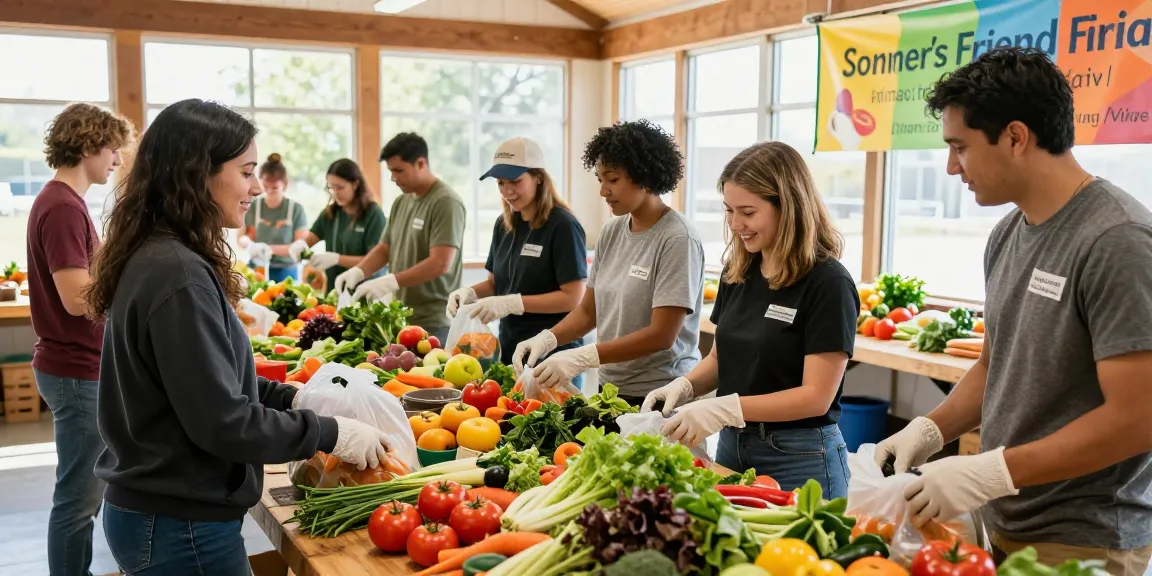
The Farmer's Friend program exemplifies the commitment to food accessibility in Sonoma Valley. Initiated to address food insecurity exacerbated by economic conditions, this program connects local farmers with those in need, ensuring that fresh produce reaches vulnerable populations. Through various initiatives, Farmer's Friend has effectively distributed thousands of pounds of organic produce to households facing financial struggles.
Overview of Farmer’s Friend Initiatives
The Farmer's Friend program operates by gleaning surplus produce from local farms and redistributing it to food insecure families. This initiative not only alleviates waste but also ensures that high-quality local produce is available to those who might not otherwise afford it. Communities can witness the positive impacts of such initiatives on health outcomes, nutritional knowledge, and local economic stability.
Success Stories and Impact on Food Access
Success stories from the Farmer's Friend program abound—from families receiving fresh vegetables for the first time to delicious community dinners made possible through collaborative efforts. These stories illustrate how access to fresh, local food can transform lives, improve nutrition, and foster connections among residents. The ongoing support from local farms, volunteers, and community organizations further enhances these efforts, creating a robust support system for those in need.
How to Get Involved with Farmer’s Friend
Community members looking to make an impact can engage with the Farmer’s Friend program in various ways. Volunteering for gleaning activities or food distribution days offers a hands-on opportunity to contribute to the local food movement. Additionally, donations made to support local farms directly ensure that efforts to provide quality produce continue unabated. Interested individuals can reach out to the program coordinators to find out more about participation opportunities.
Engaging with Sonoma Overnight Support
Sonoma Overnight Support (SOS) plays a pivotal role in ensuring that vulnerable populations, particularly the homeless community, receive essential food services. Operating an active food distribution kitchen from the Springs Hall, SOS provides daily meals that cater to individuals facing the brunt of economic hardships.
The Role of SOS in Local Food Distributions
SOS has positioned itself as a critical resource by connecting various community food initiatives, thereby streamlining the food distribution process. By utilizing the facilities of the Springs Hall, SOS delivers hot, nutritious meals to those in need, demonstrating the power of community collaboration in addressing food insecurity. The integration of various local agricultural partners ensures that meals are both nutritious and sourced from local farms.
Impact on Homeless and Vulnerable Populations
The impact of SOS's efforts is profound, providing not just sustenance but also dignity and respect to those they serve. By offering access to healthy meals, SOS helps mitigate the adverse effects of hunger and malnutrition among the homeless population, fostering a healthier community overall. This support extends beyond mere meal provision; it builds trust and fosters relationships between service providers and community members.
Volunteering and Support Opportunities
There are numerous avenues for community members to support SOS and its mission. Volunteering opportunities range from meal preparation to food distribution, providing individuals with hands-on experience in community service. Moreover, financial or in-kind donations help sustain the operations of SOS, amplifying their ability to serve those most in need.
How to Participate in Community Events
Active participation in community events is vital for fostering connections and building a resilient community. Sonoma Springs Community Hall regularly hosts events that promote local agriculture, food distribution, and community engagement. These events not only serve to disseminate valuable information but also act as gathering points for community members.
Upcoming Events at Sonoma Springs Community Hall
The Sonoma Springs Community Hall calendar features various events aimed at connecting residents with local food initiatives. Events such as pop-up markets and community dinners allow individuals to engage directly with local farmers and food producers, encouraging a culture of camaraderie and mutual respect.
Volunteering Guidelines and Best Practices
Those interested in volunteering at community events should familiarize themselves with essential guidelines to make the most of their experience. Best practices include arriving on time, being prepared to engage in various tasks, and maintaining a positive attitude. Emphasizing teamwork and communication can enhance the effectiveness of volunteer efforts, contributing significantly to event success.
Promoting Local Events in Your Community
Community members are encouraged to promote local events through word-of-mouth, social media, and community boards. Sharing information about upcoming food distribution days, farmer markets, and educational workshops helps ensure broader participation and supports the event's success. By collaborating to raise awareness, individuals can foster a vibrant local food culture.
The Future of Food Cooperatives in Sonoma Valley
The trajectory for food cooperatives in Sonoma Valley appears promising as trends in local agriculture and food accessibility continue to evolve. Increased awareness of sustainable practices among consumers drives demand for systems that prioritize local sourcing and community welfare.
Trends and Innovations in Local Agriculture
Innovations in food production and distribution, such as community-supported agriculture (CSA) programs and vertical farming, showcase the potential for food cooperatives to adapt to changing agricultural landscapes. These methods not only provide local solutions to food production but also reduce environmental impacts, aligning with modern sustainability goals.
Predictions for Food Access Improvements by 2026
Looking ahead, it is projected that food access will significantly improve by 2026, as more communities invest in local agricultural systems. With ongoing support from programs like Farmer's Friend and collaboration among local stakeholders, the potential for increased availability of fresh produce and healthier food options remains robust.
How to Advocate for Sustainable Food Systems
To drive the future of food cooperatives, individuals can advocate for policies that promote local food systems and sustainability. Engaging with local government, participating in community forums, and supporting local businesses are effective strategies for enacting change. By standing together, communities can influence broader food policies that prioritize accessibility, sustainability, and equity.
What is the Farmer's Friend program?
The Farmer's Friend program connects local farmers with community members in need, redistributing surplus produce to enhance food access. Through collaborative efforts, this initiative combats food insecurity and supports local agriculture.
How can I volunteer at springshall.org events?
Volunteering opportunities at events are available through outreach to community organizations involved with springshall.org. Interested individuals are encouraged to participate in various roles, from food distribution to community engagement activities.
What foods are typically distributed in local food programs?
Local food programs primarily distribute fresh fruits and vegetables, grains, and essential food items such as beans, flour, and staple items. Collaborations with local farms ensure the availability of organic produce for families in need.
How does Sonoma Overnight Support assist in food distribution?
Sonoma Overnight Support assists by operating a food distribution kitchen that prepares and serves hot meals to individuals experiencing homelessness. Their collaboration with community resources amplifies the reach and impact of food distribution efforts.
Why is local food access important for our community?
Local food access plays a critical role in enhancing food security, promoting public health, and fostering community engagement. By sourcing food locally, communities can support their farmers while ensuring that residents have access to fresh, healthy food options.